Bonita Ash Tree Pros and Cons: Is It Right for Your Yard?

Thinking about adding a Bonita ash tree to your yard? They’re pretty popular, and for good reason. They grow fast and give you shade, which is nice. But like anything, there are good things and not-so-good things to consider. We’ll break down the bonita ash tree pros and cons so you can figure out if it’s the right fit for your space.
What is a Bonita Ash Tree?
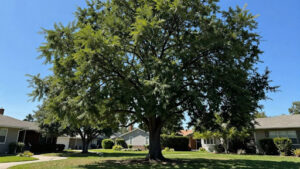
So, you’re curious about the Bonita ash tree? It’s a type of ash tree, but it’s a bit more on the compact side compared to some of its larger cousins. Think of it as a medium-sized shade provider, usually topping out around 35 feet tall. But don’t let its height fool you; it can spread out to about 40 feet wide, making it a pretty impressive shade-maker for your yard.
These trees are known for growing fairly quickly, which is great if you’re looking for shade sooner rather than later. They’ve got this attractive foliage, and their leaves tend to be a bit larger than some other ash varieties, like the Arizona ash.
One of the things people like about the Bonita ash is its adaptability. It can handle a variety of conditions, which is a big plus for many yards. Plus, they’re generally pretty low-maintenance once they get going.
While they offer a lot of benefits, it’s good to know they can be susceptible to certain pests and diseases, and their wood can sometimes be a bit weaker than you might expect. Also, be prepared for some seed production, which can add to yard cleanup.
Basically, if you’re after a good-looking, fast-growing shade tree that doesn’t demand a ton of attention, the Bonita ash might be worth a look. It’s a solid choice for adding some green and shade without taking over your entire yard.
Pros of Planting a Bonita Ash Tree
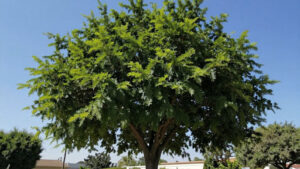
So, you’re thinking about adding a Bonita Ash to your yard? Smart move. These trees really do bring a lot to the table, especially if you’re looking for a good balance of beauty and practicality. Let’s break down why they’re such a popular choice.
Rapid Growth and Shade
One of the biggest draws of the Bonita Ash is how quickly it gets going. You won’t be waiting years and years to see a decent-sized tree. They shoot up pretty fast, which means you get that lovely shade much sooner than with slower-growing varieties. Imagine having a cool, shady spot to relax in your backyard just a few seasons after planting. This rapid growth is a real game-changer, especially if you’re looking to beat the summer heat or just want to fill out a bare space in your landscape quickly. Plus, their canopy can spread out quite a bit, offering a generous amount of shade over a good-sized area.
Attractive Foliage
Beyond just being big and shady, the Bonita Ash is also a good-looking tree. Its leaves are a nice medium green, and they have a pleasing shape that adds texture to your yard. While not as flashy as some flowering trees, the foliage provides a consistent, attractive presence throughout the growing season. It’s the kind of tree that just looks good, blending well with most landscaping styles without demanding too much attention.
Adaptability to Various Conditions
This is where the Bonita Ash really shines for many homeowners. They’re not overly fussy about where they grow. These trees can handle a range of soil types, even if they aren’t the richest. They’re also pretty tough when it comes to weather, tolerating both hot summers and cooler winters once they’re established. This makes them a reliable choice for many different climates and yard situations, meaning less worry for you about whether it’s going to make it.
Low Maintenance Requirements
If you’re not looking to spend all your free time tending to your trees, the Bonita Ash is a solid pick. Once it’s settled in, it doesn’t demand a whole lot of fuss. They’re generally drought-tolerant, so you won’t need to water them constantly. They also don’t typically require a lot of pruning, which is a big plus. This means more time for you to enjoy your yard and less time spent on tree upkeep. It’s a great option for busy folks or anyone who prefers a more hands-off approach to gardening.
While the Bonita Ash is known for being low-maintenance, it’s always a good idea to keep an eye out for any signs of stress or pests. A quick check now and then can prevent small issues from becoming big problems down the road, saving you potential headaches later on.
Cons of Planting a Bonita Ash Tree
While the Bonita Ash is a pretty great tree for shade and quick growth, it’s not all sunshine and roses. Like most things in life, there are a few downsides to consider before you decide to plant one in your yard.
Susceptibility to Pests and Diseases
Unfortunately, ash trees, including the Bonita variety, can be targets for certain pests and diseases. The big one to watch out for is the emerald ash borer. These little beetles, or rather their larvae, burrow under the bark and can really do a number on the tree. It’s tough to spot them early because they’re hidden away, and by the time you see the damage, it might be too late. Other issues, like Anthracnose, can pop up, especially if your area is humid and wet. Keeping an eye out for any weird spots on the leaves or signs of insect activity is a good idea.
Potential for Weak Wood
While they’re generally pretty sturdy, some ash varieties can develop weaker wood over time. This means they might be more prone to breaking during strong winds or heavy snow. It’s not a guarantee that your Bonita Ash will have weak wood, but it’s something to keep in mind, especially if you live in an area with harsh weather. Proper pruning by a professional can help manage this, but it’s still a risk.
Messy Seed Production
If you’re someone who likes a super tidy yard, you might want to think twice about the Bonita Ash. While they don’t produce the really big, staining seeds like some other trees (think walnuts), they do drop seeds. These seeds can create a bit of a mess on your lawn, patio, or walkways, especially in the fall. It’s not a deal-breaker for everyone, but it does mean you’ll likely have a bit more sweeping or raking to do.
It’s always a good idea to talk to a local arborist before planting any tree. They can give you the lowdown on what pests and diseases are common in your specific area and whether the Bonita Ash is a good fit for your local climate and conditions. They can also advise on how to best manage any potential issues down the road.
Bonita Ash Tree vs. Other Ash Varieties
When you’re looking at ash trees, it’s easy to get them mixed up. They all have that general ash tree look, right? But there are some key differences, especially when you compare the Bonita ash tree to others.
For starters, the Bonita ash is generally a bit smaller than some of its cousins. Think around 35 feet tall, but it can spread out to about 40 feet wide, making it a decent shade provider without taking over your whole yard. Other varieties, like the Shamel Ash, can get much larger, offering a more substantial canopy. Then you have trees like the Raywood Ash, known for its striking wine-red fall color, which the Bonita doesn’t typically display. The Modesto Ash and Arizona Ash are quite similar to the Bonita, often noted for their drought tolerance and golden fall foliage, but the Bonita is said to have slightly larger leaves, giving it a bit of an edge in the looks department for shade.
Here’s a quick rundown:
- Bonita Ash: Medium size, larger leaves than Arizona Ash, good shade. Generally around 35 ft tall.
- Arizona Ash: Similar to Bonita, but often with narrower leaves. Very drought-tolerant.
- Modesto Ash: A popular choice for shade, known for bright golden fall color. Tolerates heat, cold, and smog.
- Shamel Ash: Can grow quite large, fast-growing with a big canopy. A favorite in warmer climates.
- Raywood Ash: Distinctive wine-red fall color, resistant to ash blight.
One thing to keep in mind with all ash trees, including the Bonita, is their susceptibility to pests and diseases. The emerald ash borer is a major concern across the board, and while some varieties might have slight resistance, it’s always something to watch out for. It’s wise to stay informed about local fishing regulations and pest advisories, as these can impact tree health.
While many ash varieties are praised for their adaptability and low maintenance, understanding their specific traits, like leaf size or mature height, is key to choosing the right one for your space. The Bonita ash tree pros and cons are unique to its specific characteristics.
Ultimately, the Bonita ash tree pros and cons need to be weighed against other ash options based on your yard’s size, your aesthetic preferences, and your willingness to monitor for potential issues. It’s a solid choice, but not the only one out there.
Is the Bonita Ash Tree Right for Your Yard?
So, after looking at all the good and the not-so-good, what’s the verdict on the Bonita Ash? This tree could be a fantastic addition if you’re looking for quick shade and a bit of natural beauty without a ton of fuss. They grow fast, which means you’ll get that cooling shade sooner rather than later. Plus, their foliage is pretty nice to look at, and they’re generally tough cookies, able to handle different kinds of weather and soil. They’re also not too picky about where they grow, which is a big plus for many yards.
However, you’ve got to be aware of a couple of things. They can be a magnet for certain pests and diseases, so keeping an eye on your tree’s health is a good idea. And while they’re not usually weak, some ash varieties can have branches that snap in strong winds, so maybe avoid planting them right over a patio or play area if you’re worried about that. Oh, and if you’re super particular about a perfectly clean yard, the seed production might be a minor annoyance, though it’s usually not a huge deal compared to some other trees.
Think about what you need most:
- Fast shade: Bonita Ash delivers.
- Low upkeep: Generally, yes, but watch for pests.
- Aesthetics: They look good, especially with their leaves.
- Climate: They’re pretty adaptable, doing well in places like Texas, where they thrive in dry conditions.
Ultimately, the Bonita Ash is a solid choice for many homeowners. It’s a good middle-ground tree – not too big, not too small, and it offers a lot of benefits. Just do a quick check of your local area for any specific ash tree issues and consider where you’ll plant it. If you’re okay with a little bit of watchful care now and then, you’ll likely be very happy with this tree for years to come.
So, is the Bonita Ash Tree the perfect fit for your backyard? If you’re still wondering or ready to take the next step, we’re here to help. Visit our website today to learn more and get a free quote for expert tree services!
Frequently Asked Questions
How big does a Bonita Ash tree get?
The Bonita Ash tree is a bit smaller than other ash trees, usually reaching about 35 feet tall. However, it can spread out to be quite wide, up to 40 feet, making it a great provider of shade.
Are Bonita Ash trees easy to care for?
Yes, Bonita Ash trees are generally low-maintenance. They don’t typically require a lot of special care, though, like any tree, they can benefit from professional pruning to keep them healthy and shaped.
What are the main benefits of planting a Bonita Ash tree?
These trees grow quickly and offer excellent shade, which can help cool your home. They also have attractive foliage and are adaptable to different growing conditions, making them a good choice for many yards.
Do Bonita Ash trees have any downsides?
One potential issue is that ash trees, including the Bonita variety, can be susceptible to certain pests and diseases, like the emerald ash borer. Also, their wood can sometimes be weaker, and they can produce seeds that might make a bit of a mess.
Are Bonita Ash trees good for urban areas?
Yes, ash trees are often a good choice for city planting because they can help fill in spaces and provide needed shade. They are also known to be quite tough and can handle various conditions.
What should I do if I suspect my Bonita Ash tree has a pest or disease problem?
If you notice any signs of pests or diseases, it’s best to contact a tree care professional or an arborist. They have the expertise to identify the problem and recommend the right treatment to help your tree recover.
Request a Quote
Our Services