What Does an Elm Tree Look Like? Identification Guide
Ever wondered what an elm tree looks like? These trees are pretty common, and they’ve got some distinct features that make them stand out. You might have seen them lining streets or providing shade in parks. They’re known for their graceful shape and pretty leaves, though they’ve also faced some challenges over the years. If you’re curious about identifying one, or just want to know more about these classic trees, you’ve come to the right place. Let’s break down what makes an elm tree an elm tree.
Understanding Elm Tree Characteristics
Elm trees are pretty recognizable once you know what to look for. They’ve got a certain look about them that sets them apart. Let’s break down the main features that help you spot one.
Overall Shape and Size
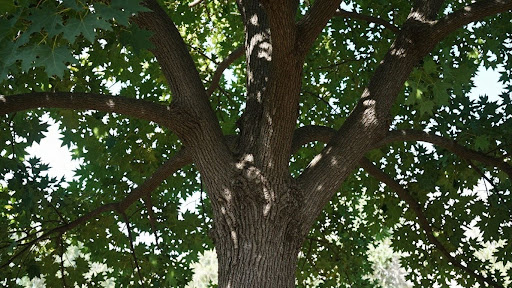
Elms are known for their distinctive shapes. Many have a classic vase-like or fountain-like silhouette, especially the American Elm. This means the trunk splits relatively low and the branches arch outwards and upwards, creating that graceful, open shape. So, what does an elm tree look like? It’s often described as looking. Some elms can get quite large, reaching heights of 60 to 100 feet and spreading 40 to 75 feet. In winter, when they’re bare, you can really appreciate this structure. It’s often described as looking like an upside-down witch’s broom, particularly on younger trees or those with dense branching.
Bark: A Key Identifier
The bark on an elm tree can be a bit tricky, but there are general patterns. Young trees tend to have smoother, lighter bark, sometimes with a reddish or pale orange tint. As they age, the bark develops furrows. To understand what does an elm tree look like, consider these bark characteristics. Generally, elm bark is a pale gray with a cross-hatching pattern that isn’t as tight as ash bark and not as deeply grooved as some other trees. It’s not usually flaky or smooth, and it’s rarely dark brown or black. Sometimes, you might see strips of bark peeling slightly, especially on older trees. It’s kind of the ‘just right’ bark – not too rough, not too smooth.
Leaves: Shape, Arrangement, and Edges
Elm leaves are a really good way to identify them. They are simple leaves, meaning there’s just one leaf per stem, not multiple leaflets. The shape is typically oval or elliptical, and they have a pointed tip. A key feature is the edge: it’s serrated, like a saw blade. Also, look at how the leaf attaches to the stem. Most elm leaves are asymmetrical, meaning one side of the leaf base is a bit longer than the other, giving it a lopsided look. This is often called an ‘unequal’ or ‘offset’ leaf base. The leaves grow in an alternating pattern along the twig – one on one side, then the next one a bit higher up on the other side. To understand what does an elm tree look like, these leaf characteristics are very helpful. This is different from trees like ash or maple, which have leaves growing directly opposite each other on the stem. You can check out elm tree characteristics for more details on leaf shape.
Flowers and Fruits: Seasonal Clues
Elms produce small, often unnoticeable flowers in the early spring, usually before the leaves fully emerge. After flowering, they develop into small, papery fruits called samaras. These are usually oval-shaped with a wing around a central seed, and they often have a notch or split at one end. They mature quickly in the spring and are often dispersed by wind or water. This is what does an elm tree look like. You might find these little ‘helicopters’ or winged seeds on the ground beneath an elm tree, especially after a windy spring day.
While identifying a tree by its bark alone can be tough, the texture and pattern of elm bark offer clues. It’s typically gray and develops furrows with age, but it’s not usually deeply ridged or excessively flaky. The combination of bark, leaf arrangement, and overall shape usually seals the deal for identification.
Common Elm Tree Species and Their Distinctions

Elms are pretty common, but knowing which kind you’re looking at can be a bit tricky. They all share some family resemblances, like those lopsided leaves and rough bark, but there are definitely differences. Let’s break down a few of the most common ones you might run into.
American Elm (Ulmus americana)
This is the classic elm, the one people often picture with its grand, vase-like shape that used to line so many streets. Sadly, Dutch elm disease really did a number on these trees, but they’re still around, and efforts are being made to bring them back. They can get quite large, reaching up to 90 feet tall with a spread that’s almost as wide. The bark is grayish-brown with deep, interlacing ridges that almost look like ropes. The leaves are pretty standard elm leaves: oval, pointed, with those doubly toothed edges and an uneven base.
Siberian Elm (Ulmus pumila)
If you see an elm that’s growing really fast and maybe looks a bit more scraggly or wispy than the stately American elm, it might be a Siberian elm. These guys are tough and can handle drier conditions, which is why they’ve spread around quite a bit. They’re not as susceptible to Dutch elm disease, which is a big plus. Their leaves are smaller than the American elm’s, and the overall shape can vary a lot, sometimes looking more like a shrub. The bark is usually smoother when young, developing ridges over time.
Slippery Elm (Ulmus rubra)
This elm gets its name from the sticky, mucilaginous inner bark, which has been used for medicinal purposes for ages. If you ever break a twig or scratch the bark, you might notice a reddish hue underneath, which is a good clue. The leaves are similar to the American elm, but the texture can be a bit rougher, almost like sandpaper on top. They tend to have a more upright, sometimes pyramidal shape compared to the classic vase shape of the American elm. Fall color is usually a duller yellow.
Other Notable Elm Varieties
While American, Siberian, and Slippery elms are probably the ones you’ll see most often, there are other varieties out there. Rock elms, for instance, are known for having corky wings on their branches and leaves with very distinct veins. English elms were once popular landscape trees in Europe, but have also suffered from Dutch elm disease. Each species has its own subtle quirks in leaf shape, bark texture, and overall growth habit, making them interesting to observe if you’re really into tree identification.
Distinguishing Elms from Similar Trees

Sometimes, telling an elm tree apart from other trees can be a bit tricky, especially if you’re not super familiar with them. A lot of trees share some similar traits, like leaf shape or bark texture, so you’ve got to look at a few things together.
One of the biggest giveaways for elms is their branching pattern. If you look closely at the smaller twigs, you’ll notice the buds or leaves grow in an alternating pattern – left, right, left, right, like a zipper. This is different from trees like ash or maple, which have opposite branching, meaning buds or leaves grow out on both sides at the same spot. To understand what does an elm tree look like, remember this alternating pattern. This is different from trees like ash or maple, which have opposite branching, meaning buds or leaves grow out on both sides at the same spot.
Here’s a quick rundown of what to watch out for:
- Leaf Arrangement: Elms have alternate branching. Ash and maple trees have opposite branching. This is a pretty solid way to rule out some common look-alikes.
- Leaf Base: Elm leaves are usually asymmetrical at the base, meaning one side of the leaf, where it meets the stem, is a bit different from the other. Many other trees have symmetrical leaf bases.
- Bark: While elm bark can vary, it often has a pattern of ridges and furrows that can look a bit like interlacing ropes. It’s generally not as deeply furrowed as some oaks or as smooth as a young birch. It’s often a pale gray.
- Overall Shape: Many elms have that classic vase shape, especially when mature, though this can be harder to spot in dense forests or on younger trees.
It’s easy to get caught up in just one feature, but trees are complex. You really need to consider the whole package – the leaves, how they’re arranged, the bark, and even the general shape of the tree – to make a confident identification. Don’t be afraid to look at a few different parts of the tree.
Another thing to keep an eye out for are the seeds. Elms produce small, flat, winged seeds called samaras, often in clusters. They look a bit like little discs with a wing. This is quite different from the ‘helicopters’ of maples or the acorns of oaks.
Where to Find Elm Trees

Elm trees, those stately giants known for their graceful canopies, can be found in a variety of settings across the Northern Hemisphere. They’re native to temperate regions, and you’ll often spot them in parks, along streets, and in yards where they’ve been planted for shade and beauty. Historically, elm-lined streets were a common sight, though Dutch elm disease has impacted their numbers significantly. Fortunately, wide-resistant varieties are now available, making it possible to enjoy what an elm tree looks like in landscapes again.
Elms generally prefer areas with good sunlight and fertile, well-drained soil. They don’t typically do well in soggy ground. You’ll find them thriving in USDA hardiness zones ranging from 2 to 9, depending on the specific species. For instance, American elms are quite hardy, while others might have more specific climate needs.
Here’s a quick rundown of where you might encounter them:
- North America: Widely distributed, especially in the eastern United States and southern Canada. Look for them in forests, fields, and urban areas.
- Europe: Common in many temperate parts of the continent, though populations have been affected by disease.
- Asia: Certain species are native to parts of Asia.
When you’re out looking for an elm, keep an eye out for those distinctive vase or fountain-shaped crowns and the characteristic rough, furrowed bark. The leaves, with their serrated edges and often lopsided base, are another good clue. Remember, if you’re considering planting one, choosing a disease-resistant variety is a smart move to ensure it thrives for years to come. It’s always a good idea to check local resources or consult with a local arborist to see which elm species do best in your specific area. Knowing what an elm tree looks like can help you appreciate these trees wherever you find them.
Looking for elm trees? You might find them in parks or large yards. Sometimes, they grow naturally in wooded areas. If you need help identifying or caring for trees, our team is here for you. Visit our website to learn more about tree services and get a free quote today!
Frequently Asked Questions
What’s the most noticeable thing about an elm tree’s shape?
Many elm trees have a shape that looks like a vase or a fountain, with branches that gracefully curve upwards and outwards. This distinctive shape makes them great for providing shade.
How can I tell elm tree leaves apart from other trees?
Elm leaves are usually oval-shaped with a pointed tip and have edges that look like a saw blade, with small teeth. A cool detail is that one side of the leaf, where it meets the stem, is often a bit shorter than the other, making the leaf look a little lopsided.
What does elm tree bark look like?
Young elm trees have smooth, gray bark. As they get older, the bark develops deep grooves and ridges that can sometimes look like ropes twisted together. The color is usually a mix of gray and brown.
Are there different kinds of elm trees?
Yes, there are many types of elm trees! Some common ones include the American Elm, known for its classic vase shape, and the Siberian Elm, which is often smaller and bushier. Each type has slight differences in its leaves, bark, and overall shape.
What do elm tree flowers and seeds look like?
Elm trees have small, not-very-showy flowers that appear in the spring. After the flowers, they produce small, flat, winged seeds that look like little discs. These seeds help the wind carry them away from the parent tree.
What is Dutch Elm Disease?
Dutch Elm Disease is a serious illness that has sadly affected many elm trees. It’s caused by a fungus that gets spread by elm bark beetles. This disease can weaken and kill elm trees, which is why it’s important to be aware of it when identifying or caring for elms.
Request a Quote
Our Services