Siberian Elm vs American Elm: How to Identify & Choose the Right Tree
When I first started looking into elms, I was a bit overwhelmed by all the different types. It seemed like every other tree on the block was an elm, but they all looked slightly different. Two that kept popping up were the Siberian elm vs American elm. They sound similar, and honestly, they share some family traits, but they’re really quite distinct once you know what to look for.
Understanding the Key Differences in Siberian Elm vs American Elm
The biggest takeaway is that the American elm is a majestic, classic shade tree, often with that iconic vase shape, while the Siberian elm is generally a tougher, more adaptable, and often bushier tree.
Here’s a quick rundown of how they stack up:
- Origin: The American elm is native to eastern North America, a real North American original. The Siberian elm, as its name suggests, hails from parts of Asia, like Siberia, Mongolia, and northern China. This difference in origin really influences how they handle different environments.
- Size and Shape: American elms are known for their grand stature, often growing quite tall with a wide, spreading canopy that gives them that classic vase look. Siberian elms tend to be smaller and can be more shrub-like or have a more rounded, less dramatic shape. They often have a shorter trunk compared to the American elm.
- Toughness: Siberian elms are known for being incredibly hardy. They can grow in pretty poor soil and handle tough conditions, which is why they’ve become common in some areas where other trees struggle. American elms, while beautiful, are more particular and have famously been susceptible to Dutch elm disease.
It’s easy to get them mixed up, especially when they’re young, but paying attention to a few key features, like leaf shape and bark, can really help you tell them apart. Plus, knowing where they come from gives you a clue about how they’ll perform in your yard.
It’s worth noting that while the American elm has been hit hard by Dutch elm disease, there are now resistant varieties available. The Siberian elm, on the other hand, is generally more resistant to the disease, though not completely immune. This resilience is a big reason why you see them planted in places where the American elm might not fare as well. For instance, Siberian elm buds are round and resemble peppercorns, while American elm buds are oval and pointed. This detail can be a helpful identifier.
Understanding these basic differences is the first step in figuring out which elm, if either, is the right fit for your landscape.
Origin and Natural Habitat Comparison in Siberian Elm vs American Elm
When I look at where these two trees come from, it really highlights their differences. The American elm, for instance, is a true native of eastern North America. You’d find it stretching from the Maritimes all the way down to Florida, and westward into places like Montana. It’s a tree that’s deeply rooted in the landscape of this continent.
On the other hand, the Siberian elm has a much broader, more expansive origin. It hails from a vast area that includes eastern Siberia, Mongolia, northern China, and even parts of India and Tibet. This wide native range hints at its adaptability and resilience, which I’ve seen play out in various environments.
Here’s a quick rundown:
- American Elm: Native to Eastern North America.
- Siberian Elm: Native to Eastern Siberia, Mongolia, Northern China, and surrounding regions.
This difference in origin is pretty significant. The American elm evolved in a specific set of conditions, while the Siberian elm developed in a more varied and often harsher climate. This background helps explain why the Siberian elm can sometimes be found growing in places where other trees struggle.
The Siberian elm’s native habitat is quite extensive, spanning across a large portion of Asia. This wide distribution means it’s accustomed to a variety of conditions, from arid steppes to more temperate zones. It’s this adaptability that has allowed it to naturalize so readily in new environments.
Because of its origins, the American elm is often associated with the woodlands and river valleys of its native range. The Siberian elm, however, is known for its ability to thrive in less-than-ideal conditions, often found in disturbed areas or on poorer soils. It’s this tenacity that makes it a common sight in many parts of the world now, sometimes even considered a bit of a weed. It’s fascinating to see how a tree’s birthplace can influence its behavior and where we find it today. You can learn more about the American elm’s native range and its history.
Leaf Shape and Bark Texture: How to Identify Siberian Elm vs American Elm
When I’m trying to tell a Siberian elm vs American elm, the leaves and bark are usually my first clues. It’s not always super obvious, especially from a distance, but if you get up close, you can start to see the differences.
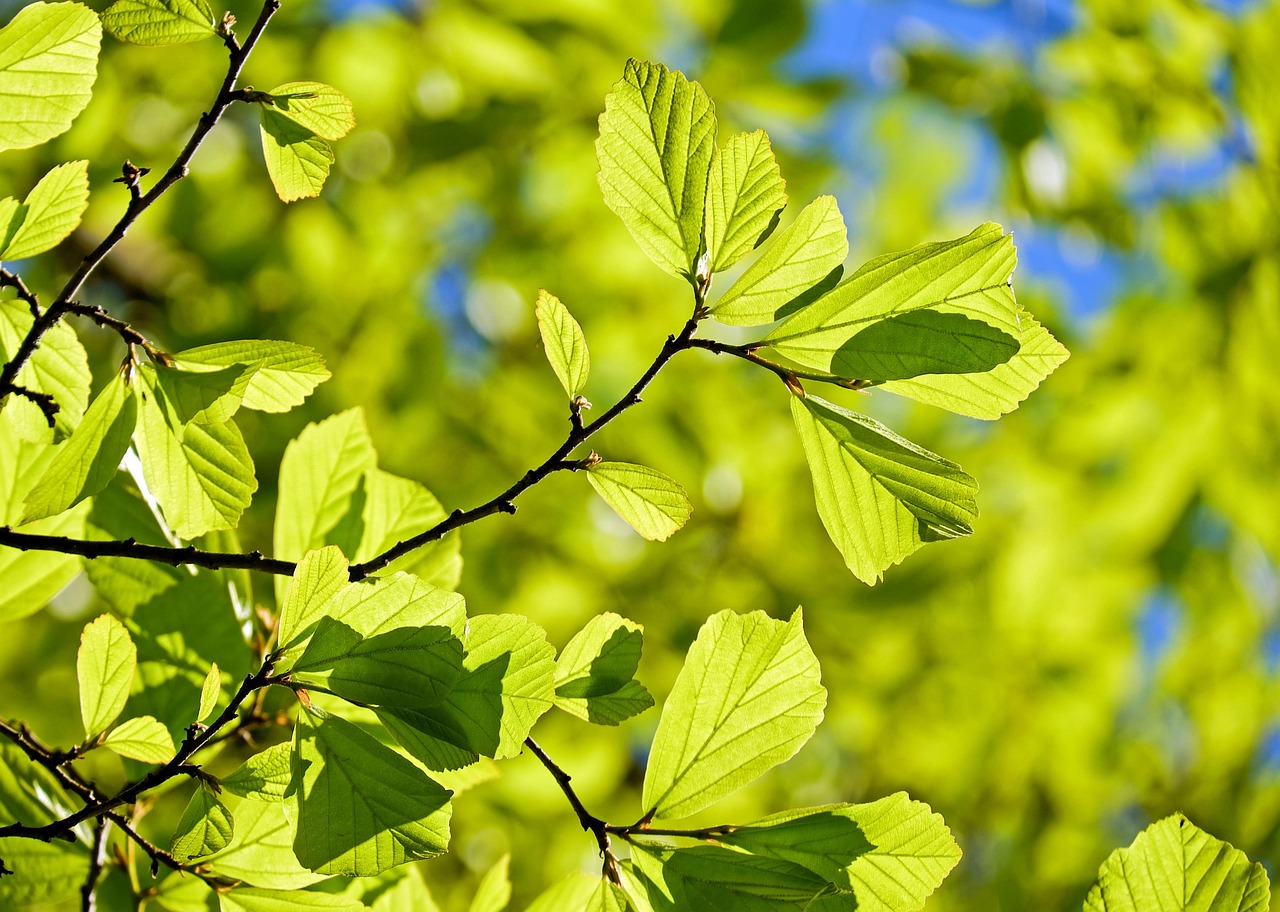
Let’s talk leaves first. Both are elm leaves, so they’re generally oval-shaped with a pointed tip and a stem that’s a bit lopsided, making the leaf asymmetrical. They also tend to have teeth along the edges. The Siberian elm’s leaves are usually smaller, maybe around 3-4 inches long, and they feel a bit rough, especially on the underside, because of the veins. The American elm, on the other hand, often has longer leaves, sometimes 3 inches or more, and they can feel a bit rougher, too. The key thing for me is the size and sometimes the texture – Siberian leaves feel more uniformly rough, while American elm leaves can have a slightly different feel.
Now, the bark. This is where it gets interesting. Older American elms are known for their bark, which is typically light brown to gray and has deep grooves. It’s pretty distinctive, giving the trunk a rugged look. The American elm has bark that’s often described as deeply furrowed. Siberian elm bark can be a bit more variable. It’s often smoother on younger trees and develops furrows as it ages, but they might not be as deep or as prominent as those on a mature American elm. Sometimes, Siberian elm bark can have a slightly more flaky appearance. One interesting thing I’ve read is that if you break off a piece of elm bark, you might see alternating red and cream layers, almost like a wafer. This can happen with both, but it’s a neat detail to look for.
Here’s a quick rundown:
- Leaf Size: Siberian elms generally have smaller leaves than American elms.
- Leaf Texture: Both can feel rough, but Siberian elm leaves often have a more consistent roughness.
- Bark Texture: American elms tend to have deeper, more pronounced furrows on older trees compared to Siberian elms.
- Overall Shape: While not strictly leaf or bark, remember American elms are famous for their vase shape, whereas Siberian elms are often bushier.
It’s worth noting that identifying trees can be tricky, and variations exist within species. Sometimes, the best way to be sure is to look at a combination of features rather than relying on just one.
So, when you’re out there trying to figure out which elm is which, pay attention to the leaves – their size and feel – and then check out the bark. Those details can really help you distinguish between the two.
Growth Rate and Size Differences in Siberian Elm vs American Elm
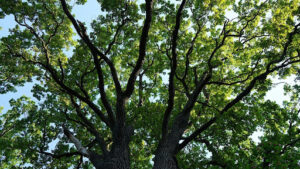
When I’m looking at trees, one of the first things I consider is how fast they’ll grow and how big they’ll get. It really changes how you plan your yard. The Siberian elm is known for being a pretty quick grower. I’ve seen estimates that it can shoot up as much as 3 feet in a single year under good conditions. This means you get shade and a mature look much faster than with some other trees. They tend to top out at around 50 to 70 feet tall, with a spread of about 50 feet. So, they’re a medium-sized tree, generally speaking.
Now, the American elm is a different story. These trees are the giants. They can easily reach heights of 60 to 90 feet, and some even go over 100 feet. Their spread is also impressive, often reaching 40 to 75 feet wide, creating a really grand, vase-like canopy. While they might not grow quite as rapidly as the Siberian elm in their early years, they are substantial trees that provide a lot of presence.
Here’s a quick look at what I’ve gathered:
- Siberian Elm:
- Height: 50-70 feet
- Spread: Around 50 feet
- Growth Rate: Fast (up to 3 feet/year)
- American Elm:
- Height: 60-90+ feet
- Spread: 40-75 feet
- Growth Rate: Moderate to fast, but generally slower than Siberian Elm
So, if you need shade quickly and don’t mind a tree that’s a bit more compact, the Siberian elm is a strong contender. But if you’re looking for that classic, towering elm that makes a real statement and you have the space and patience, the American elm is hard to beat. The American elm’s majestic size and iconic shape are what many people picture when they think of an elm tree.
It’s important to remember that these are general figures. Actual growth and size can be influenced by a lot of things, like soil quality, water availability, sunlight, and whether the tree gets any diseases or pests. Proper care can make a big difference in how well any tree thrives.
Climate and Soil Preferences of Siberian Elm vs American Elm
When I’m thinking about planting a tree, one of the first things I consider is what kind of environment it needs to really thrive. It’s not just about picking something that looks nice; it’s about making sure it’s happy where I put it.
For the Siberian elm, I’ve found it’s pretty forgiving. It doesn’t fuss too much about soil quality, which is a big plus. Whether the ground is a bit poor or nutrient-challenged, this tree can usually handle it. It really likes full sun, so if you’ve got a spot that gets a lot of light all day, that’s probably your best bet for a Siberian elm. It’s also known to be quite tough when it comes to different climates, tolerating a pretty wide range of temperatures. I’ve seen them grow in zones 4 through 9, which is quite a spread.
The American elm, on the other hand, seems to have a bit more specific needs, at least in my experience. While it can also grow in zones 2 through 9, it generally prefers a bit more moisture than the Siberian elm. It’s not that it needs to be waterlogged, but it does appreciate soil that stays somewhat consistently moist. Full sun is also ideal for the American elm. I’ve noticed they tend to do better in well-drained soils, but they aren’t as tolerant of really poor soil conditions as the Siberian elm can be. It’s like they want a bit more of a pampered upbringing, comparatively speaking.
Here’s a quick rundown:
- Siberian Elm: Tolerates poor soil, prefers full sun, hardy across zones 4-9.
- American Elm: Prefers well-drained soil, likes consistent moisture, also hardy across zones 2-9, but might need a bit more attention to watering.
It’s interesting how these two trees, both called ‘elm’, have such different preferences. It really highlights the importance of matching the tree to the site conditions you have available. Trying to force a tree into a spot it doesn’t like is just asking for trouble down the road.
So, if I’m looking at a tough spot with less-than-ideal soil and full sun, the Siberian elm is definitely on my radar. If I have a bit more control over the soil moisture and want that classic, stately elm look, I’d lean towards the American elm, keeping in mind its need for good drainage and consistent water.
Resistance to Pests and Diseases in Siberian Elm vs American Elm
When I think about planting trees, one of the first things that comes to mind is how much trouble they might cause later on. Nobody wants a tree that’s constantly getting sick or attracting bugs. This is where Siberian elm vs American elm really show their differences.
The American elm, sadly, has a major weakness: Dutch elm disease (DED). This disease, spread by elm bark beetles carrying a fungus, pretty much wiped out huge numbers of American elms across North America starting back in the 1930s. While there are now some newer varieties of American elm that have been bred to resist DED, like ‘Valley Forge’ or ‘Princeton’, the species as a whole is still quite vulnerable. It’s a real shame because they can grow into such magnificent trees.
The Siberian elm, on the other hand, is known for being much tougher. It’s not completely immune to Dutch elm disease, but it’s significantly more resistant than the American elm. This hardiness is a big reason why Siberian elms have become so common in places where other trees struggle to survive. They just seem to shrug off a lot of the problems that plague their American cousins.
Here’s a quick look at how they stack up:
- American Elm: Highly susceptible to Dutch elm disease (DED). While resistant cultivars exist, the species is generally vulnerable. Other pests and diseases can also be an issue.
- Siberian Elm: Significantly more resistant to Dutch elm disease. It’s also generally a hardier tree, tolerating a wider range of conditions, which often means fewer pest problems.
Beyond DED, I’ve noticed that Siberian elms tend to be less bothered by other common tree ailments. They’re just built to be survivors. American elms, while beautiful, often require more careful management and selection of disease-resistant varieties to ensure they thrive.
Choosing a tree that can handle local pests and diseases without constant intervention is a smart move for any homeowner. It saves time, money, and a lot of worry down the road. The Siberian elm definitely has an edge here.
Landscape Uses and Aesthetic Value of Siberian Elm vs American Elm
When I think about planting trees, I often consider how they’ll look and function in my yard. Both the Siberian elm vs American elm have their own unique contributions to a landscape, though they serve different purposes.
The American elm, with its classic vase shape and grand stature, has historically been a favorite for lining streets and creating stately avenues. It really gives a sense of permanence and old-world charm. This tree was once the go-to for creating those beautiful, tree-lined streets that we see in older photographs and movies. Its broad canopy offers generous shade, making it a wonderful addition to parks or larger properties where its size can be fully appreciated. It’s the kind of tree that makes you feel like you’re stepping back in time.
On the other hand, the Siberian elm is more of a workhorse. It’s incredibly tough and adaptable, which makes it suitable for places where other trees might struggle. While it doesn’t have the same iconic shape as the American elm, its rapid growth can provide quick shade and a sense of maturity to a landscape sooner rather than later. It’s a practical choice for challenging sites or for someone who wants a tree that’s generally low-maintenance. It can be a good option for urban landscaping where conditions are tough.
Here’s a quick look at how they stack up for different landscape roles:
- Shade Provision: American elms offer a more majestic, widespread shade. Siberian elms provide shade more quickly due to their fast growth.
- Street Trees: American elms were historically preferred for their aesthetic and shade, though disease has made this challenging. Siberian elms are sometimes used in less formal settings or where hardiness is paramount.
- Tough Sites: Siberian elms excel in poor soil and harsh conditions where American elms might not thrive.
- Formal vs. Informal: The American elm lends itself to more formal, grand designs, while the Siberian elm is more suited to functional or naturalistic plantings.
It’s interesting to note how our preferences for trees have evolved. While the grand, sweeping form of the American elm was once highly sought after for its aesthetic appeal, the resilience and adaptability of trees like the Siberian elm are increasingly recognized for their practical benefits in today’s landscapes. Both have their place, depending on what you’re trying to achieve.
Ultimately, choosing between them comes down to your specific needs and the environment you’re working with. Do you want that iconic, sweeping beauty, or do you need a tree that can handle a bit of a beating and grow quickly? Both have their merits.
Choosing the Best Tree for Your Needs — Siberian Elm vs American Elm
So, you’ve been looking into elms and now you’re trying to figure out which one is the right fit for your yard. It really comes down to what you’re hoping to get out of your tree. If you’re after that classic, grand shade tree look, the American Elm is hard to beat. These trees can get pretty massive, reaching up to 90 feet, and they have that iconic vase shape that just screams “majestic.” While Dutch Elm Disease was a big problem for them, there are now disease-resistant varieties available, so they’re making a comeback.
On the other hand, the Siberian Elm is a bit of a different story. It’s a tough, fast grower that can handle some pretty rough conditions, like drought and poor soil. It’s not as big as the American Elm, usually topping out around 50 to 70 feet, and it has a more rounded shape. Because it’s so adaptable, it’s a good choice for places where other trees might struggle to survive. It’s also got a decent resistance to Dutch Elm Disease, which is a plus.
Here’s a quick rundown to help you decide:
- American Elm:
- Pros: Classic, stately appearance; large shade tree; vase shape is iconic.
- Cons: Can be more susceptible to disease (though resistant varieties exist); requires more space.
- Best for: Large yards, formal landscapes, creating a significant focal point.
- Siberian Elm:
- Pros: Hardy and adaptable; fast-growing; tolerates poor soil and drought; good disease resistance.
- Cons: Can be considered weedy in some areas; not as visually grand as the American Elm.
- Best for: Tough sites, quick shade, areas where other trees won’t thrive.
When you’re picking a tree, think about the long game. How much space do you have? What kind of soil are you working with? And how much maintenance are you willing to do? These questions will really guide you toward the elm that’s going to be happiest and healthiest in your specific spot.
Ultimately, both trees have their own strengths. The American Elm offers that timeless beauty, while the Siberian Elm provides resilience and adaptability. Consider what you value most in a tree, and you’ll find the right one for your landscape. If you’re looking for a tree that can withstand a lot, the Siberian Elm is a solid option. For a more traditional, grand statement, the American Elm, especially a disease-resistant cultivar, might be your pick. It’s all about matching the tree’s characteristics to your needs and environment. For more information on different elm varieties, you can check out various elm species.
Deciding on the right tree can be tricky. If you’re weighing the pros and cons of a Siberian Elm versus an American Elm, we’ve got you covered. For all your tree care needs, from planting to removal, visit our website today to learn more and get a free quote!
Frequently Asked Questions
What’s the main difference between Siberian and American Elm trees?
The American Elm usually grows tall and has a shape like a vase. On the other hand, the Siberian Elm is often bushier with a shorter trunk. Also, American Elms are more likely to get sick from Dutch Elm Disease, while Siberian Elms are tougher against it.
How can I tell if a tree is a Siberian Elm or an American Elm just by looking at its leaves?
Both types of elm trees have oval-shaped leaves that come to a point. The leaves are usually about 9 centimeters long and have rough undersides with raised lines. The main difference is that American Elm leaves are often longer, 3 inches or more, and have a more distinct double-serrated edge compared to the Siberian Elm.
Are Siberian Elms good for planting if I’m worried about diseases like Dutch Elm Disease?
Yes, Siberian Elms are a good choice if you’re concerned about Dutch Elm Disease. They are known to be much more resistant to this disease compared to American Elms. While not completely immune, they stand a much better chance of survival.
How fast do these elm trees grow, and how big do they get?
Siberian Elms are known for growing quite fast, sometimes up to 3 feet in a year, and can reach heights of 50 to 70 feet. American Elms can grow even taller, reaching 60 to 90 feet, and sometimes even up to 100 feet, with a wider spread.
What kind of soil and weather conditions do Siberian and American Elms prefer?
Siberian Elms are very adaptable and can grow in almost any type of soil, doing well in full sun and handling dry spells. American Elms also prefer full sun but generally need well-drained soil and can be more sensitive to harsh conditions.
Can I use elm wood for projects, and is it strong?
Yes, elm wood is quite strong and lasts a long time, even when it’s wet. Because of this, people have used it for things like building boats, piers, making bows for archery, and creating furniture for many years.
Request a Quote
Our Services