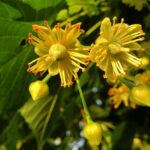
London Plane Tree vs Sycamore: Key Differences To Know
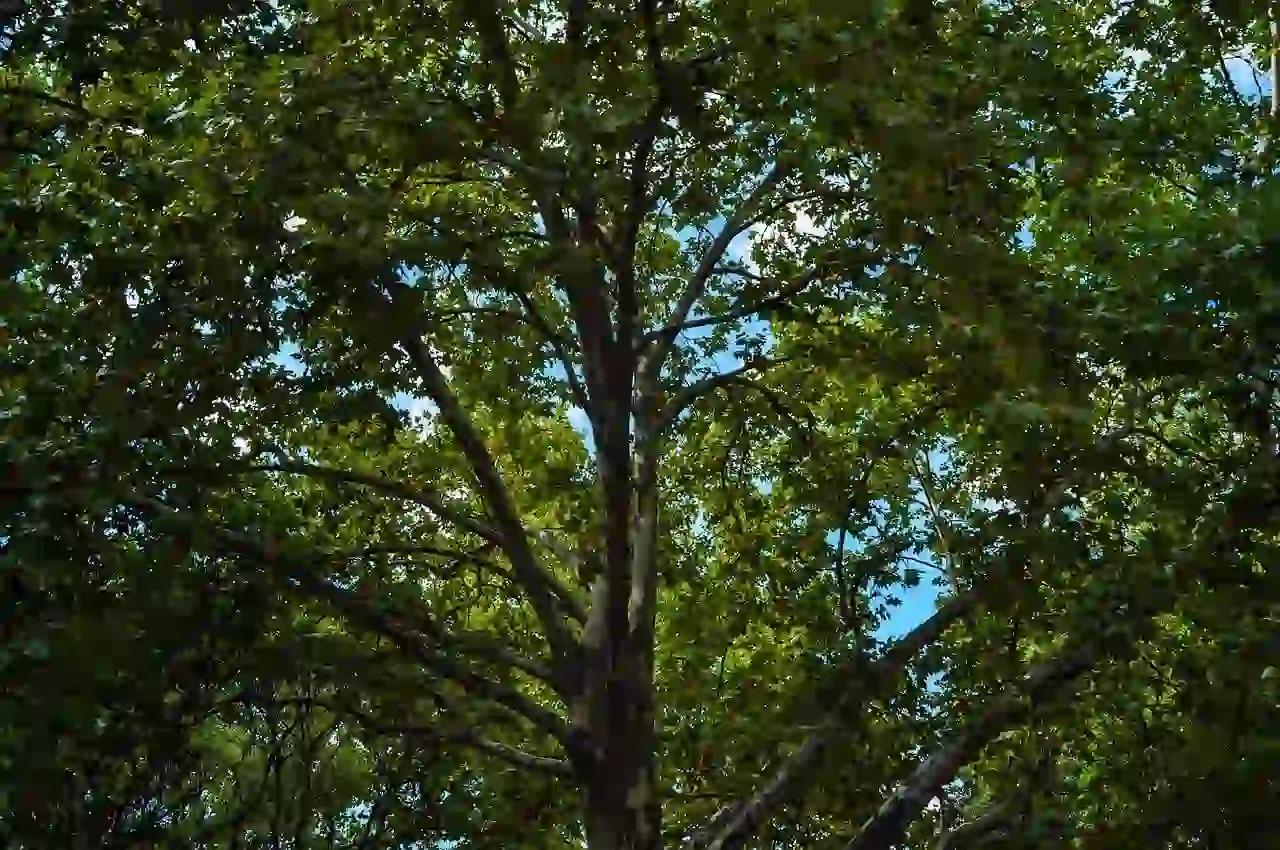
Trying to tell a London plane tree from a sycamore can be tricky. They look pretty similar, and honestly, even the experts sometimes get them mixed up. Both are big trees with cool peeling bark, but there are some subtle differences if you know what to look for. Whether you’re curious about the trees lining your street or trying to identify one in a park, understanding the London plane tree vs sycamore distinctions can be pretty interesting. Let’s break down how to spot them.
When you’re trying to figure out the difference between a London plane tree and a sycamore, it can get a little confusing. They’re related, after all, and share a lot of similar traits. Both trees are known for their impressive size and distinctive peeling bark. But if you look closely, there are some key ways to tell a London plane tree vs sycamore apart.
Think of it this way: if you see a tree thriving on a busy city street, especially in Europe or older North American cities, it’s probably a London plane. These trees were practically built for urban life, tolerating pollution and tough conditions like few others. On the other hand, if you’re out in nature, particularly near rivers or in floodplains in the Eastern United States, you’re more likely looking at an American sycamore. They just love those damp, natural settings.

Here’s a quick rundown of what to look for:
- Bark: While both have exfoliating bark, the pattern differs. London planes often show a more uniform, patchy ‘camouflage’ pattern all the way down the trunk, with an olive-green undertone. Sycamores tend to have thicker, rougher bark on the main trunk that only starts peeling higher up, revealing a whiter or creamier underbark.
- Leaves: Both have lobed leaves, but the shape of the central lobe can be a clue. For London planes, the middle lobe is typically longer than it is wide. Sycamore leaves often have a middle lobe that’s wider than it is long.
- Fruit: Look at how the fruit balls hang. Sycamores usually have them singly, while London planes tend to have them in pairs or clusters of three.
It’s worth noting that telling sycamore vs London plane tree apart isn’t always straightforward. The London plane is a hybrid, and its offspring can be quite variable. Plus, they can sometimes cross back with their parent species, further mixing things up. So, while these are good general guidelines for sycamore vs London plane tree identification, nature sometimes likes to keep us guessing!
These trees are often planted in urban environments because of their resilience. The London plane, in particular, has a long history of being used as a street tree, capable of handling the stresses of city living. You can often find these impressive trees lining avenues and parks, showcasing their remarkable stature.
So, next time you’re out and about, take a moment to observe the trees around you. You might just surprise yourself with how well you can distinguish between the sycamore vs London plane tree.
Origin and Natural Habitat of the London Plane Tree and Sycamore
When you’re trying to figure out if you’re looking at a London Plane tree or an American Sycamore, their origins and where they like to hang out can give you some pretty big clues. It’s not always straightforward, though, because they’re related and can look super similar.
The American Sycamore, or Platanus occidentalis, is a native of North America. You’ll typically find it chilling in floodplains and along rivers and streams, especially in the eastern part of the United States. Think wet, loamy soil – that’s its happy place. It’s actually the biggest hardwood tree you can find on the continent, which is pretty wild.
Now, the London Plane tree (Platanus × acerifolia) is a bit of an international traveler, sort of. It’s a hybrid, believed to have come about in Europe sometime in the 17th century. The story goes that it’s a mix between the American Sycamore and the Oriental Plane tree (Platanus orientalis). Because it’s a hybrid, it doesn’t really have a ‘natural’ habitat in the same way its parents do. Instead, it’s been widely planted, especially in urban environments.
So, here’s a quick rundown:
- American Sycamore: Native to Eastern North America, prefers riverbanks and floodplains.
- London Plane Tree: A European hybrid, not found naturally in the wild, but widely planted, particularly in cities.
This difference in origin really explains a lot about why they thrive in different spots. The American Sycamore is built for those wilder, wetter areas, while the London Plane was developed and selected for its toughness in city settings.
If you see a big, impressive tree growing right by a creek in the US, chances are it’s an American Sycamore. But if you’re walking down a city street, especially in Europe or older parts of American cities, and you see a similar-looking tree, it’s probably a London Plane. They’ve become incredibly popular for city planting because they can handle tough conditions, like pollution and compacted soil, way better than many other trees.
Leaf Shape and Appearance
Alright, let’s talk about leaves. When you’re trying to tell a London Plane tree from an American Sycamore, the leaves are a pretty good place to start, though they can be a bit tricky because both have that classic lobed look, kind of like a maple leaf.
The main difference is in the shape of the central lobe. For London Planes, that middle section of the leaf is usually longer than it is wide. Think of it as a more elongated shape. On the other hand, the American Sycamore’s central lobe is typically wider than it is long, giving it a more rounded or broader appearance in the middle.
Here’s a quick rundown:
- London Plane: Central lobe generally longer than wide.
- American Sycamore: Central lobe generally wider than long.
Beyond the central lobe, both trees have large leaves, often reaching up to 10 inches across. They both have prominent veins, and the edges of the leaves can be toothed. You might notice that sycamore leaves can feel a bit fuzzy on the underside, which is less common with London Planes.
While the leaves offer a good clue, remember that environmental factors can sometimes influence leaf shape slightly. It’s best to look at a few leaves from different parts of the tree and compare them with other identifying features, like the bark and fruit structures, for a more accurate assessment.
When you’re out looking at these trees, especially if you’re trying to identify one in a park or along a street, keep an eye on those leaf shapes. It’s one of the easiest ways to start distinguishing between the two, especially if you can’t get a good look at the bark or fruit. You can often find American sycamores growing naturally near water, which might help narrow down your search if you’re in the right kind of area.Check out sycamore bark for more details on that.
Bark Characteristics Compared
When you’re trying to tell a London plane tree from an American sycamore, the bark is a really good place to start. It’s one of the most noticeable differences, and once you know what to look for, it’s pretty easy to spot.
The main thing to remember is where the peeling happens and what color the bark is underneath.
Here’s a quick breakdown:
- London Plane Tree: You’ll see that patchy, camouflage-like pattern all the way down the trunk, even on younger trees. The inner bark, the part revealed when the outer bark flakes off, usually has a greenish or yellowish tint. Sometimes it can even look a bit orangey.
- American Sycamore: This tree has a thicker, rougher bark at the base of its trunk. The peeling, or exfoliating, that reveals the lighter bark underneath tends to happen higher up on the tree, more towards the branches. The exposed inner bark on a sycamore is typically a brighter white or creamy color, often described as bone-white.
It’s kind of like the London plane has its peeling show from top to bottom, while the sycamore saves its big reveal for higher up.
You might think of the London plane’s bark as a more consistent, all-over pattern, whereas the sycamore’s bark is more dramatic, with a rough base and then a lighter, peeling section further up. This difference in bark is a key identifier, especially when you’re trying to distinguish between these two closely related trees.
So, next time you’re out and about, take a peek at the bark. It’s a simple but effective way to tell these two common trees apart. If you’re curious about how these trees handle different environments, you might want to check out their environmental tolerance details.
London Plane Tree vs Sycamore: Growth Rate and Size Differences

When you’re looking at these two trees, one of the first things you might notice is how big they get and how fast they reach that size. Both the London plane tree and the American sycamore are known for their impressive stature, but there are some subtle differences.
The American sycamore often takes the crown for sheer size, with some historical records showing them reaching truly monumental proportions. Think of trees with trunks so wide that it would take several people to link hands around them. While London planes can also grow quite large and become substantial trees, they generally don’t hit those extreme girths that some American sycamores are famous for.
Here’s a quick look at what you might expect:
- American Sycamore: Known to be one of the largest hardwood trees in North America. They can shoot up to heights of around 100-140 feet (30-42 meters) and develop very wide trunks. Some historical accounts mention circumferences exceeding 40 feet!
- London Plane Tree: These are also large trees, typically reaching heights of 60-100 feet (18-30 meters). While they can become quite broad, they usually don’t reach the same massive trunk diameters as the largest American sycamores.
In terms of growth rate, both are considered relatively fast growers, especially when they have good conditions. They’re not slowpokes by any means. However, the American sycamore, particularly in its preferred natural habitats like river floodplains, can sometimes exhibit a more vigorous growth spurt.
It’s interesting how these trees, despite their similarities, have different potentials for size. The American sycamore seems to have a natural inclination towards becoming a true giant, while the London plane, though still a large and impressive tree, often settles into a more consistently large, but not record-breaking, size.
So, if you’re looking for a tree that has the potential to become an absolute behemoth, the American sycamore might be your pick. If you want a large, stately tree that’s also incredibly tough for urban settings, the London plane is a fantastic choice, even if it doesn’t typically reach the same extreme dimensions.
Environmental Tolerance and Soil Preferences
When it comes to where these trees like to put down roots, there are some pretty clear differences, though they share a family tree. The American sycamore, for instance, is often found hanging out in floodplains and along riverbanks. It’s a tree that doesn’t mind getting its feet wet and thrives in loamy, sometimes even wet, soil conditions. You’ll typically see it in the eastern United States, pretty much anywhere east of the Great Plains, especially in those flat areas near streams.
The London plane tree, on the other hand, is the urban warrior of the pair. It was specifically bred and selected for its toughness in city environments. This hybrid tree is remarkably resilient to pollution and compacted soils, making it a much better choice for tough urban settings. It can handle the gritty reality of city life, like salty roads and limited root space, far better than its American cousin. While American sycamores prefer natural riparian zones, London planes are planted all over cities, from street medians to parks, showing off their adaptability.
Here’s a quick rundown:
- American Sycamore: Prefers moist, well-drained soils, often found in floodplains and along rivers. Tolerates wet conditions but generally avoids very dry or compacted urban soils.
- London Plane Tree: Highly tolerant of urban conditions, including pollution, compacted soil, and drought once established. It’s much more forgiving of a wider range of soil types and less-than-ideal planting sites.
The London plane tree’s ability to withstand the harsh conditions of city life, like air pollution and poor soil, is a major reason for its widespread use in urban landscaping. It’s a survivor, built for the concrete jungle.
So, if you’re dealing with a challenging urban site, the London plane is likely the more dependable option. If you have a more natural setting with access to water, like a riverside property, the American sycamore might be a good fit, though it’s less common in landscaping due to its specific needs.
Urban and Landscape Uses Compared: London Plane Tree vs Sycamore
When you’re deciding between a London Plane tree and a Sycamore for your yard or a public space, their typical uses can give you a good hint about which one might be a better fit. Both are impressive trees, but they’ve found their niches for different reasons.
London Plane trees have really made a name for themselves as tough-as-nails urban trees. They can handle pollution, compacted soil, and all the general stress that city life throws at a tree. Because of this, you’ll see them lining streets, planted in median strips, and gracing parks in bustling cities all over. They’re a go-to for landscapers who need a tree that can survive and thrive in less-than-ideal conditions. Their ability to tolerate smog and poor soil is a major reason for their widespread use in urban environments.
Sycamores, on the other hand, are more often found in their natural element, which is usually near water. Think riverbanks, floodplains, and moist bottomlands. While they can be used in landscaping, they generally prefer a bit more space and a less harsh environment than the typical city street. They’re often chosen for their large size and distinctive, peeling bark, adding a natural, wilder feel to larger properties or naturalistic plantings.
Here’s a quick rundown of where you’re most likely to encounter each:
- London Plane Tree:
- Street tree plantings
- Urban parks and plazas
- Median strips
- Courtyards with limited space
- Sycamore:
- Riparian areas and stream banks
- Large naturalistic landscapes
- Parks with ample space and moist soil
- Areas where a large, native shade tree is desired
It’s interesting how these two related trees have adapted so differently. The London Plane’s resilience has made it a champion of the concrete jungle, while the Sycamore remains a majestic presence in more natural settings, often near water. This distinction in their preferred environments really highlights their unique characteristics and how they’ve been utilized by people over time.
When it comes to fruit production, both trees produce those characteristic fuzzy balls, but there’s a slight difference. London Planes typically have these borne in clusters of two or three on a single stalk, while American Sycamores usually have just one per stalk. It’s a small detail, but it can help in identification, especially when you’re trying to figure out what you’re looking at in a park or along a trail.
Choosing Between London Plane Tree vs Sycamore: Which Is Right for You?
So, you’ve been looking at these two trees, the London Plane and the American Sycamore, and you’re wondering which one to pick. It’s not always a straightforward decision, as they share a lot of similarities, being close relatives and all. But there are some key things to consider that might help you decide.
If you’re planting in a tough urban spot, like a sidewalk or a busy street, the London Plane is generally the more reliable choice. These trees were practically built for city life, handling pollution and compacted soil better than their sycamore cousins. They’ve been a go-to for city planners for ages, especially in places like London, where they thrived even in the smoggy industrial era.
Here’s a quick rundown to help you sort it out:
- Location, Location, Location: Think about where the tree will live. American Sycamores often prefer moist areas, like near rivers or in floodplains. If you’ve got a spot like that, a sycamore might be right at home. London Planes, on the other hand, are much more adaptable to drier, harsher urban conditions.
- Bark Appeal: Both have that cool peeling bark, but there are subtle differences. London Planes tend to show off their olive-green underbark all the way down the trunk. American Sycamores usually keep their rougher bark higher up, revealing a whiter or creamier underbark.
- Fruit Clusters: Pay attention to the seed balls (or fruits). London Planes typically have these hanging in pairs or threes on a single stem. American Sycamores usually have just one fruit per stem.
- Leaf Shape: While both have lobed leaves, the central lobe on a London Plane is often longer than it is wide. For the American Sycamore, that central lobe is frequently wider than it is long.
It’s worth remembering that these trees can sometimes be tricky to tell apart, even for experts. Hybrids and variations mean you might see trees with a mix of traits. Don’t stress too much if you can’t pinpoint every single detail; focus on the general characteristics and the tree’s overall health and suitability for its environment.
Ultimately, if you need a tree that can tough it out on a city street, the London Plane has a proven track record. If you have a more natural setting, perhaps near water, and want a tree that can grow to truly massive sizes, the American Sycamore is a fantastic option. Both are beautiful in their own right, but their ideal environments and tolerances do differ.
Deciding between a London Plane Tree and a Sycamore can be tricky. Both are beautiful, large trees that offer great shade. If you’re wondering which one is best for your yard, we’ve got the details to help you choose. For more expert advice on selecting the perfect tree for your space, visit our website today!
Frequently Asked Questions
What’s the main difference between a London Plane tree and a Sycamore tree?
The biggest difference is where they usually grow. London Plane trees are often found in cities because they handle pollution well, while American Sycamores prefer natural spots like riverbanks. Also, their bark looks a bit different up close, and their leaves and seed-bearing stalks have slight variations.
How can I tell their bark apart?
Both trees have bark that peels off in patches, creating a cool, mottled look. On a London Plane, this peeling often goes all the way down to the base of the trunk, and the inner bark might have a yellowish or greenish tint. For American Sycamores, the peeling usually starts higher up the trunk, and the exposed inner bark is often more whitish or creamy.
Are London Plane trees and Sycamores related?
Yes, they are very closely related! The London Plane tree is actually a hybrid, meaning it’s a mix of the American Sycamore and another type of tree called the Oriental Plane. Think of them like cousins in the same tree family.
Which tree grows bigger?
American Sycamores can get incredibly large, sometimes even bigger than London Planes. While London Planes can also grow to be quite substantial, the record-holders for sheer size tend to be American Sycamores, especially those found in their natural riverbank habitats.
Can I plant either of these trees in my yard?
You can plant both, but consider your location. London Planes are tough and do well in urban settings with less-than-ideal soil and air quality. American Sycamores thrive in more natural environments, especially near water, and might not do as well if planted in a harsh city spot.
Why are London Plane trees so common in cities?
London Plane trees became super popular in cities like London and New York because they are really tough. They can handle smoky, polluted air from factories and traffic much better than many other trees. This made them a great choice for lining streets and parks when cities were growing rapidly.
Request a Quote
Our Services