Liquid Oozing From a Tree: When to Call Arborist
You might notice a sticky liquid oozing from your trees sometimes, and it can be a bit concerning. Is it just a normal thing, or is something wrong? Lots of things can cause sap to drip, from natural processes to problems like bugs or sickness. Knowing what to look for helps you figure out if your tree is just doing its thing or if it needs a little professional help to stay healthy. This guide will help you understand why liquid oozing from a tree happens and when it’s time to call in the experts.
Understanding Tree Sap and Its Functions
Tree sap is basically the lifeblood of a tree. It’s not just one thing, though; it’s actually a mix of two different fluids circulating within the tree. First, there’s xylem sap, which is mostly water and minerals drawn up from the roots. This stuff travels upwards to the branches and leaves, keeping everything hydrated and helping with photosynthesis. Then you have phloem sap. This is the sugary stuff, created during photosynthesis in the leaves, that gets sent back down to feed the rest of the tree. When you see liquid oozing from a tree, it’s usually this phloem sap.
This sugary fluid is vital for transporting energy throughout the tree, especially during periods of new growth in the spring. Trees really ramp up sap production then to support budding leaves and general development. It’s a sign that the tree is actively growing and functioning as it should.
It’s important to know that not all tree fluids are sap. Conifers, like pine trees, produce resin to seal up wounds and fight off bugs. This resin can harden into pitch. So, if you see a thick, sticky, golden substance on a pine, it’s probably resin or pitch, not the watery sap you’d find in other trees.
Here’s a quick look at the two main types of sap:
- Xylem Sap: Carries water and minerals from roots to leaves. Think of it as the tree’s plumbing system for hydration.
- Phloem Sap: Carries sugars (food) from leaves to other parts of the tree. This is the energy source.
While sap is a natural and necessary part of a tree’s life, sometimes seeing it ooze can be a sign that something’s up. We’ll get into that more later, but for now, just remember that sap is how trees get their nutrients and energy where they need to go. If you’re curious about different types of edible sap, birch trees are a good example of one that produces a clear, slightly sweet liquid.
Sap is essential for a tree’s survival, acting as a transport system for nutrients and energy. While a healthy flow is normal, excessive or unusual discharge can signal underlying issues that need attention.
Common Causes of Liquid Oozing from Trees

Seeing liquid oozing from a tree can be a bit alarming. You might wonder what’s going on with your tree and if it’s in trouble. Well, there are a few reasons why you might notice this, and not all of them are bad news. Let’s break down some of the common culprits behind liquid oozing from a tree.
Natural Sap Flow: A Healthy Sign
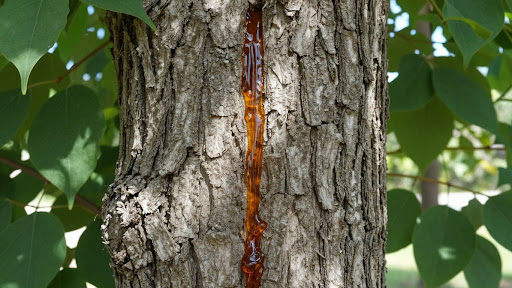
Sometimes, liquid oozing from a tree is just a sign that it’s alive and doing its thing. Many trees naturally produce sap, especially during spring when they’re waking up and starting to grow. This sap helps move nutrients around the tree. If you see a little bit of clear or amber-colored sap weeping from a small cut, like from pruning, or a minor bark injury, it’s usually nothing to worry about. The tree is just sealing itself up. Think of it like a small scab forming on a cut. This kind of liquid oozing from a tree is often a sign of a healthy, functioning system.
Insect Infestations: Pests Causing Tree Discharge
Unfortunately, tiny pests can also be the reason for liquid oozing from a tree. Insects like aphids, scale insects, or mealybugs feed on the tree’s sap. As they eat, they excrete a sugary waste product called honeydew. This honeydew is sticky and can drip down the trunk and branches, making it look like the tree itself is oozing. You might also notice ants crawling around the sticky spots, as they love honeydew. While the honeydew itself doesn’t usually harm the tree, a large infestation of these sap-sucking insects can weaken the tree over time. So, if you see sticky, clear, or slightly colored liquid oozing from a tree, and especially if you spot tiny bugs, it could be an insect problem.
Fungal and Bacterial Infections: Diseases Affecting Trees
More serious issues can also cause liquid oozing from a tree. Certain diseases, like bacterial wetwood (also known as slime flux), can cause problems. This happens when bacteria get inside the tree, often through wounds. They ferment sugars within the tree, creating pressure that forces a liquid out through cracks or holes in the bark. This discharge can sometimes be foamy, dark, or even smell a bit sour. It’s a sign that the tree is fighting an internal infection. Other fungal diseases can also lead to sap leakage as the tree tries to compartmentalize or defend itself against the spread of the disease. This type of liquid oozing from a tree is definitely a cause for concern.
Physical Damage and Environmental Stress
Trees can also ooze liquid when they’ve been physically injured or are under environmental stress. Big wounds from storms, lawnmowers, or construction can cause sap to leak as the tree attempts to heal. Extreme weather conditions, like prolonged drought or waterlogged soil, can also stress a tree, sometimes leading to sap seepage. It’s the tree’s way of reacting to damage or a difficult situation. This kind of liquid oozing from a tree is a visible symptom of underlying stress or injury that needs attention.
It’s important to remember that not all liquid oozing from a tree is a sign of a major problem. However, paying attention to the color, consistency, and smell of the liquid, as well as looking for other symptoms like wilting leaves or bark damage, can help you figure out what’s going on. If you’re unsure, it’s always best to get a professional opinion.
Here’s a quick look at what might be causing the liquid oozing from a tree:
- Natural Sap Flow: Clear to amber, usually minor, often after pruning or minor injury. A sign of healthy healing.
- Insect Activity (Honeydew): Sticky, clear to yellowish, often attracts ants. Caused by sap-sucking insects.
- Bacterial Infections (Wetwood/Slime Flux): Foamy, dark, sometimes foul-smelling. Indicates internal disease.
- Physical Injury/Stress: Varies depending on the cause, but can be a response to damage or environmental hardship.
Identifying the Type of Liquid: What Does It Look Like?
So, you’ve spotted some liquid oozing from your tree. The first step in figuring out what’s going on is to take a closer look at the discharge itself. What you see can tell you a lot about whether it’s a normal process or something you need to pay attention to.
Clear or Amber Sap: Usually Harmless
Often, the liquid you’ll find is a clear or slightly amber-colored, sticky substance. This is typically tree sap, the lifeblood of the tree that carries water, minerals, and sugars. Think of it like the tree’s internal plumbing system. This kind of flow is especially common in the spring as the tree wakes up and starts growing again. It can also happen after pruning or if the tree has a small wound. The tree is just doing its thing, moving nutrients around or sealing up a minor injury. This is the kind of seepage that usually doesn’t require a second thought. It’s a sign the tree is alive and functioning.
Sticky, Black, or Foamy Discharge: Potential Problems
However, not all oozing liquids are created equal. If the discharge is dark, almost black, or has a foamy appearance, it could signal a more serious issue. This type of liquid is often associated with bacterial infections, like wetwood or slime flux. These conditions happen when bacteria get into the tree, usually through a wound, and cause internal fermentation. The resulting liquid can smell a bit sour and might attract insects. It’s definitely a sign that the tree is under stress and needs a closer look. Sometimes, this discharge can also be a result of insect infestations, where pests are feeding on the tree and causing it to leak.
It’s important to remember that trees have natural defense mechanisms. When they get injured, they often ooze sap to seal the wound. This is a normal healing process. But if the ooze is excessive, discolored, or accompanied by other symptoms like wilting leaves or unusual bark changes, it’s time to investigate further. Paying attention to the details of the discharge can be your first clue to your tree’s health.
When to Worry: Signs That Indicate a Problem

Okay, so you’ve spotted some liquid oozing from your tree. Sometimes, it’s no big deal, just the tree doing its thing. But other times, it’s a clear signal that something’s up and you should probably pay closer attention.
Don’t ignore it if the oozing is heavy, doesn’t seem to stop, or if the liquid looks weird.
Here are some things that should make you pause and think:
- The Flow Won’t Quit: If sap is just constantly dripping, day after day, and it’s not just a little bit after a pruning cut or a storm, that’s a sign the tree might be under serious stress or dealing with an infection that it can’t shake.
- Weird Colors and Smells: Is the sap dark, almost black? Does it smell off, maybe a bit sour, or even foul? What about if it’s foamy? These aren’t usually good signs. They can point to bacterial issues like wetwood or slime flux, which can really weaken a tree.
- Other Symptoms Show Up: Look at the rest of the tree. Are the leaves turning yellow or dropping off way too early? Do you see any strange fungal growth on the bark, or is the bark itself cracking more than usual? If the sap leak is happening at the same time as these other problems, it’s a pretty good indicator that the tree’s health is declining.
- Bugs Are Involved: If you notice insects, like ants or borers, hanging around the spot where the sap is coming out, they might be taking advantage of a weakened area. Sometimes, the sap itself is the tree’s way of trying to fight off these pests, but if the pests are still there and active, it means the tree is struggling.
When you see these kinds of signs, it’s like the tree is waving a little red flag. It’s trying to tell you it needs help. Ignoring it could mean the problem gets worse, potentially leading to more damage or even making the tree unsafe.
Think of it this way: a little bit of sap after a branch breaks is like a small cut – it heals. But a constant, messy leak with other symptoms is more like a deep wound that isn’t closing, and that needs professional attention.
When to Call an Arborist: Professional Help for Your Trees
Sometimes, that ooze from your tree is just a normal thing, like a tree sweating after a trim or during a growth spurt. But if you’re seeing a lot of liquid, especially if it’s dark, smells bad, or looks foamy, it’s probably time to get a professional opinion. Don’t try to guess what’s going on; a certified arborist can figure it out.
Here’s when you should definitely pick up the phone:
- Persistent or Excessive Flow: If the liquid keeps coming out for days or weeks, or if it’s more than just a few drips, that’s a red flag.
- Unusual Appearance or Smell: Dark, sticky, black, or foamy discharge, particularly if it has a sour or alcoholic odor, often points to a bacterial issue like slime flux.
- Accompanying Symptoms: Look for other signs of trouble. Are the leaves yellowing or dropping prematurely? Is there significant bark damage, cracking, or signs of insect infestation? These all add to the urgency.
- Recent Trauma: If the tree has recently been damaged by storms, construction, or improper pruning, the oozing could be a sign of serious internal injury.
An arborist has the tools and knowledge to properly diagnose the issue. They can tell if it’s a simple fix or something more serious that could harm the tree’s structure or even make it a hazard. They’ll look at the whole picture, from the soil around the roots to the highest branches, to figure out what’s really going on. Getting a professional assessment can prevent minor issues from becoming major problems and help keep your trees healthy for years to come. Sometimes, they might recommend specific treatments or pruning techniques, or they might just advise on better watering habits. For instance, issues like winter desiccation can harm trees, leading to problems like bark splitting and sap leakage, and an arborist can help assess widespread damage. They can assess the situation and provide the right care.
Trying to fix tree problems yourself without knowing the cause can sometimes make things worse. Sealing wounds, for example, might trap moisture and encourage decay instead of helping the tree heal. It’s best to let the tree do its natural thing unless a professional advises otherwise.
Preventative Measures to Keep Your Trees Healthy

Keeping your trees robust and less prone to oozing sap is all about consistent, good care. Think of it like looking after your own health – a little effort goes a long way.
One of the simplest things you can do is just keep an eye on your trees. Regularly walk around and check for anything unusual, like sticky spots on the bark or weird-looking discharge. Catching problems early, like a small insect issue or a minor wound, is way easier to deal with than a big mess later on.
Here are some practical steps to help your trees stay strong:
- Water wisely: Make sure your trees get enough water, especially when it’s dry. But don’t drown them either; soggy roots aren’t good. Check the soil moisture before you water.
- Mulch matters: Spread a layer of mulch around the base of your trees. This helps keep the soil moist, regulates temperature, and stops weeds from competing for resources. Just keep the mulch a few inches away from the trunk itself.
- Prune with care: When you need to prune, make clean cuts and avoid leaving stubs or damaging the bark. It’s best to prune during the tree’s dormant season to reduce stress.
- Avoid trunk damage: Be careful when mowing or doing yard work near your trees. Accidental bumps and scrapes can create wounds that invite trouble.
A healthy tree is its own best defense against pests and diseases.
Sometimes, the best approach is to choose the right tree for the right spot. Planting species that are known to do well in your area and are naturally more resistant to common local pests can save you a lot of headaches down the line. If you’re unsure, a quick chat with a local nursery or an arborist can point you in the right direction.
It’s easy to forget about our trees once they’re planted, but they’re living things that need attention. Consistent, gentle care helps them thrive and reduces the chances of them developing issues that lead to sap oozing.
Want to keep your trees strong and healthy? Taking good care of them now can prevent big problems later. Simple steps like proper watering and checking for bugs make a huge difference. For expert advice on protecting your trees, visit our website today!
Frequently Asked Questions
Is sap always a sign that my tree is sick?
Not at all! Sometimes, trees naturally ooze a little sap, especially when they’re growing fast in the spring or after a branch has been trimmed. It’s usually only a concern if there’s a lot of sap, it looks strange (like dark or foamy), or it smells bad. These can be clues that something else is going on.
What is ‘slime flux’ or ‘bacterial wetwood’?
This happens when certain bacteria get inside the tree’s trunk, often through a crack or wound. They start to ‘ferment’ the tree’s insides, which builds up pressure. This pressure pushes liquid out through tiny openings in the bark. The liquid might look dark or foamy and can sometimes smell a bit off.
Can bugs make my tree leak sap?
Yes, bugs can definitely be a reason for sap leaks. Pests like borers can chew holes into the bark, and the tree releases sap to try and protect itself. Other insects, like ants, might just be attracted to the sap and make it seem like there’s more of a problem than there is.
If my tree is leaking sap, should I cover the spot with paint?
Generally, no. Covering a wound with paint or other sealants can actually trap bad stuff like germs inside, making it harder for the tree to heal. It’s usually best to keep the area clean and let the tree do its natural healing thing, unless an expert tells you otherwise.
When should I call a tree expert (arborist) about oozing sap?
You should call an arborist if the sap leak is constant, looks dark or foamy, smells bad, or if you notice other problems like leaves turning yellow, bark falling off, or fungus growing on the tree. These are signs that a professional should check it out.
What can I do to help prevent my tree from leaking sap?
Keeping your tree healthy is the best defense! Make sure it gets enough water, especially when it’s dry, and avoid damaging the trunk with lawnmowers or trimmers. Proper pruning at the right time of year also helps prevent unnecessary wounds that can lead to sap leaks.
Request a Quote
Our Services