How Much Is a 50 Ft Black Walnut Tree Worth on Your Property?
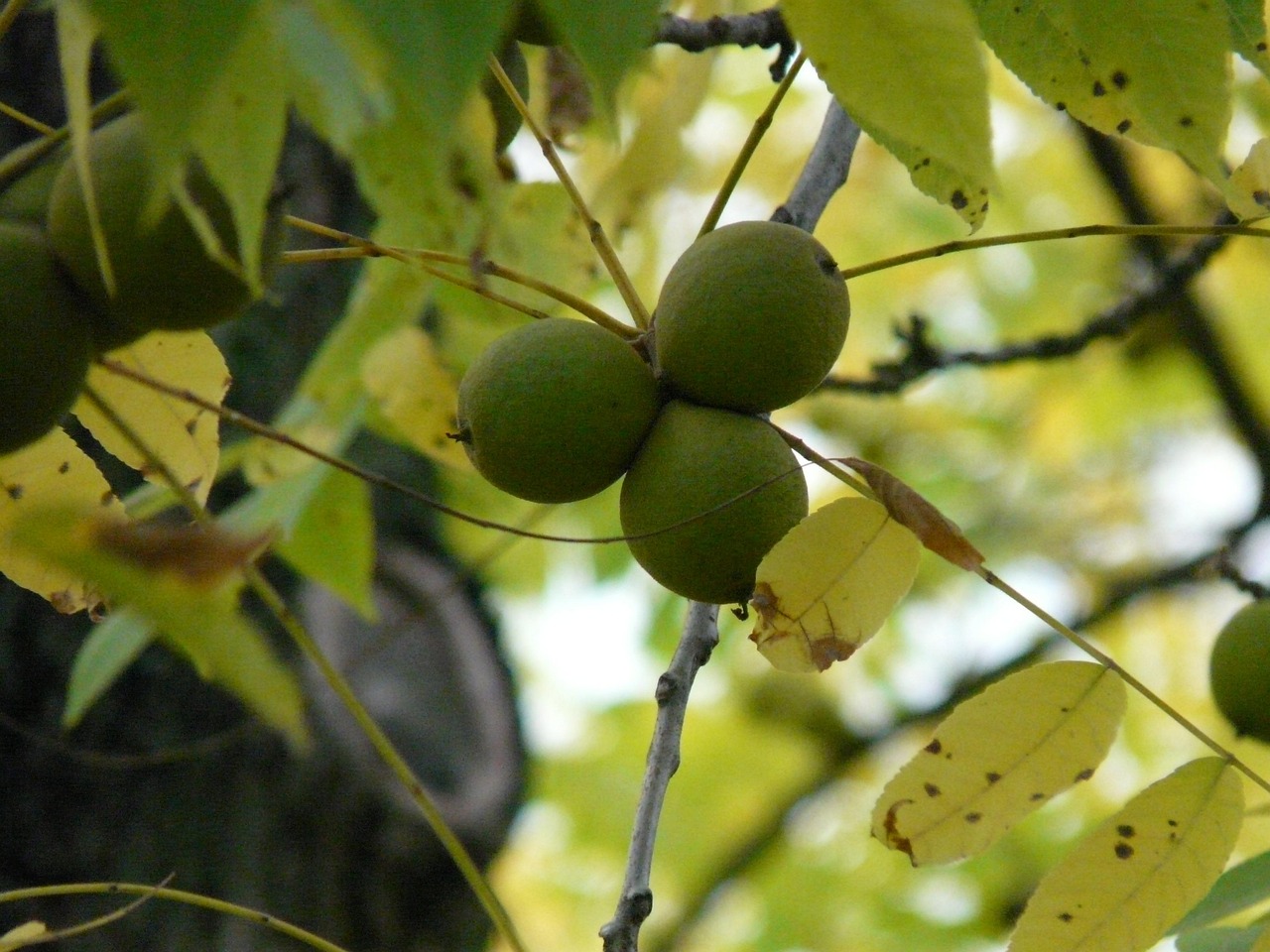
So, you’ve got a big black walnut tree standing tall on your land, maybe around 50 feet or so, and you’re wondering about its value. It’s a fair question, and honestly, it’s not a simple number. There are quite a few things that play into what a tree like that is actually worth. In this article, we will discuss how much is a 50 ft black walnut tree worth.
Understanding How Much Is a 50 Ft Black Walnut Tree Worth on Your Property
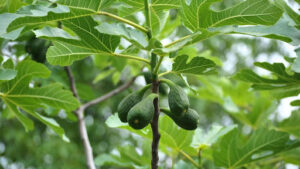
So, you’ve got a big black walnut tree standing tall on your land, maybe around 50 feet or so, and you’re wondering abouthow much is a 50 ft black walnut tree worth. It’s a fair question, and honestly, it’s not a simple number. There are quite a few things that play into what a tree like that is actually worth.
Think of it like this: a tree isn’t just a tree when it comes to selling it for timber. Several factors come into play, and they can really change the price tag. I’ve found that the quality of the wood itself is a huge deal. Black walnut is prized for its deep, rich color, which is fantastic for furniture and other woodworking projects. But not all black walnut is created equal, you know?
Here are some of the main things I look at when trying to figure out a tree’s worth:
- The wood’s quality: Is the trunk straight? Is the heartwood dark and free of defects? This is probably the biggest factor.
- The tree’s size: We’re talking diameter and height here. Bigger usually means more usable wood.
- Where it’s located: Is it easy for a logging truck to get to, or is it way out in the back forty?
- The current market: What are people willing to pay for walnuts right now?
It’s easy to get caught up in the idea of a big number, but the reality is that a tree’s value is made up of many small details. The straightness of the trunk, the absence of rot or large knots, and the richness of the wood’s color all add up.
If you’re serious about knowing the exact value, getting a professional appraisal is the way to go. They know all the ins and outs of grading timber and can give you a solid estimate. But for a general idea, understanding these factors is a good start.
Factors That Determine How Much Is a 50 Ft Black Walnut Tree Worth
So, you’ve got a towering black walnut on your property, and you’re wondering about its worth. It’s not as simple as just looking at its height. Several things play a role in how much a tree like that is actually worth, especially when it comes to timber.
First off, the quality of the wood itself is a big deal. Black walnut is prized for its rich, dark heartwood, which is perfect for fancy furniture and cabinetry. If your tree has a straight trunk, minimal knots, and a good amount of that dark wood, it’s going to be worth more. Trees that have grown up in a forest, often with other trees around them, tend to grow straighter and have fewer branches, which usually means better timber quality. It’s interesting how the growing conditions can really shape the value.
Here are some key things I look at:
- Trunk Straightness: A tree that grows straight up without a lot of curves or bends is more desirable for lumber.
- Branching: Fewer, smaller branches mean less waste and higher quality wood. Big, low branches can really hurt the value.
- Heartwood Content: The darker, the better. This is what furniture makers are really after.
- Absence of Defects: Things like rot, cracks, or damage from insects can significantly lower the price.
The grading system for black walnut is actually quite forgiving. This means that even trees with a few flaws might still be considered valuable for lumber, which is good news for landowners.
Then there’s the size, specifically the diameter and age. A thicker, older tree generally means more usable wood. We’re not just talking about height; the girth of the trunk is super important. A 50-foot tree might sound impressive, but if its trunk is only a foot wide, it won’t be worth as much as a 50-foot tree with a 3-foot diameter.
Location and how easy it is to get to the tree also matter. If the tree is deep in a remote area with no good roads, it’s going to cost more to harvest and transport, which cuts into its value. Accessibility is something loggers definitely consider.
Finally, the market demand plays a huge part. Like any commodity, the price of black walnut can go up and down. If there’s a high demand for walnut lumber right now, your tree will be worth more. It’s a good idea to get a professional appraisal to get a clear picture of your tree’s worth, and you can use tools like the CTLA method to help estimate its value.
Timber Quality and How Much Is a 50 Ft Black Walnut Tree Worth in the Lumber Market
When I think about selling a black walnut tree, the first thing that comes to mind is its timber quality. It’s not just about the size; it’s about what the wood looks like and how usable it is for making things. Black walnut is famous for its deep, rich brown color, which is why furniture makers and woodworkers really want it. The better the color and the fewer the flaws, the more money the tree is worth.
There are a few ways to think about the value, and it changes as the wood moves through the market. It starts with the stumpage price, which is what a logger pays you for the tree while it’s still standing. This is usually the lowest price, but for black walnut, it can still be pretty good, often somewhere between $1,000 and $3,000 per thousand board feet (MBF). Then you have the log price, which is what a mill pays for the logs after they’ve been cut and possibly transported. This price is higher because the work of cutting and moving is already done. Finally, there’s the lumber price, which is what you get when the logs are sawn into boards and dried.
Here’s a general idea of how these prices can stack up:
- Stumpage Price: The price paid for standing timber.
- Log Price: The price paid for harvested logs delivered to a mill.
- Lumber Price: The price for finished lumber after milling and drying.
The absolute top tier for black walnut is veneer quality. These are the straightest, largest diameter logs with the best color and the fewest defects. A single veneer log can be worth a lot, sometimes fetching around $1,400 just for the stumpage. However, these are rare, making up only a small percentage of a typical harvest. Most of the value comes from sawlogs, which are graded based on their quality. The straighter and clearer the log, the higher the grade and the better the price.
The market for black walnut can be a bit unpredictable. Prices can go up and down, sometimes quite a bit in a short time. It’s usually best not to try and guess when the market will be at its peak. Focusing on growing high-quality trees is a more reliable way to see good returns over the long run.
So, when I’m looking at my 50-foot black walnut, I’m thinking about how straight the trunk is, if there are any big knots or twists, and how dark the heartwood appears. These are the things that really determine how much it’s worth to a buyer in the lumber market.
Location and Accessibility: How They Affect How Much Is a 50 Ft Black Walnut Tree Worth
When I think about selling a big black walnut tree from my property, the first thing that comes to mind is how much it’s actually worth. It’s not just about the tree itself, though. Where that tree is located and how easy it is to get to play a surprisingly big role. I’ve learned that a tree sitting right on a main road is a lot more appealing to a logger than one buried deep in the woods, miles from anywhere.
Think about it from the buyer’s perspective. They need to get heavy equipment in, cut the tree down, and then haul out massive logs. If my tree is in a spot where they can drive a truck right up to it, that saves them a ton of time and money. That saved cost often translates into a better offer for me.
Here are some things I consider regarding location and access:
- Proximity to Roads: Is there a paved road, gravel road, or just a rough trail nearby? The closer and more accessible the road, the better.
- Terrain: Is the ground flat and easy to work on, or is it steep, rocky, or marshy? Difficult terrain makes logging much harder and more expensive.
- Obstacles: Are there fences, buildings, power lines, or other trees that would make felling and removal tricky? Clearing these adds cost and complexity.
- Distance to Mill: While not strictly about access to the tree itself, how far is the nearest mill that buys black walnut? Longer hauling distances eat into the profit margin for the buyer, which can affect their offer.
The easier it is for loggers to get to your tree and get it out, the more likely they are to offer a good price. It’s a practical consideration that directly impacts the bottom line for everyone involved.
For a tree that’s easy to access, I might expect a higher price per board foot compared to a similar tree that requires extensive effort to reach. It’s a simple equation: less hassle for the buyer usually means more money in my pocket.
How Much Is a 50 Ft Black Walnut Tree Worth Based on Diameter and Age
When I’m looking at a black walnut tree, especially one that’s about 50 feet tall, the first things that really jump out at me are its diameter and age. These two factors are pretty big players in how much the tree is actually worth, particularly if you’re thinking about selling it for timber.
Think about it this way: a thicker tree usually means more usable wood. For black walnut, the diameter at breast height (DBH) is key. A tree with a 14-inch DBH might hold around 50 board feet of usable lumber, while an 18-inch DBH could easily double that to about 100 board feet. And a really big one, say 24 inches DBH, could hold over 200 board feet. It’s not just about the total amount of wood, though; it’s about the quality of that wood.
Here’s a rough idea of how diameter can influence the volume:
| Diameter (DBH) | Estimated Board Feet (per 16ft log) |
| 14 inches | ~50 |
| 18 inches | ~100 |
| 24 inches | ~220 |
Age plays a role, too, but it’s often tied to diameter. Black walnut trees can grow pretty fast under the right conditions – think deep, fertile soil. They can add about 4 inches to their diameter every 10 to 12 years. So, a tree that’s been around for a long time and has had good growing conditions will likely be both older and have a larger diameter, making it more valuable. However, there’s a point called ‘financial maturity’ where the tree stops growing in value fast enough to make holding onto it worthwhile compared to selling it. It’s a bit of a balancing act.
The age of a black walnut tree is important, but it’s the diameter and the quality of the wood that really drive the price. A younger, faster-growing tree with a good diameter and clear trunk can be worth more than an older, slower-growing tree with defects.
So, when I’m assessing a tree, I’m not just seeing a 50-foot-tall object. I’m looking at its girth, its straightness, and how long it’s likely been growing to reach that size. These details are what really tell the story of its potential worth.
Market Demand and Seasonal Impact on How Much Is a 50 Ft Black Walnut Tree Worth
The price I can get for my black walnut tree isn’t just about its size or how straight it grows. A big part of it comes down to what’s happening in the market right now, and honestly, that can change pretty quickly. Think about it like any other commodity – sometimes demand is high, and people are willing to pay more. Other times, things slow down.
Right now, the market for black walnut seems pretty strong. I’ve seen reports that prices are higher than they were even a year ago. But that doesn’t mean it’ll stay that way. Markets can be unpredictable, and what seems like a good price today might not be tomorrow. It’s tempting to try and guess when the best time to sell is, but I’ve learned that trying to time the market is usually a losing game.
Instead, I focus on what I can control: growing good-quality trees. The better the timber quality, the more desirable the tree will be, no matter what the market is doing at any given moment. It’s about building a solid asset over time rather than chasing short-term gains.
Here are a few things that seem to influence demand:
- Furniture and Cabinetry: This is a big one. When people are building or renovating, they often look for beautiful, dark wood like black walnut for high-end furniture and custom cabinets. If the housing market is booming, demand for these items, and thus for walnut, often goes up.
- Musical Instruments: Believe it or not, black walnut is sometimes used for parts of musical instruments, like guitar necks or drum shells. This is a smaller market, but it still adds to the overall demand.
- Flooring and Millwork: High-end flooring and decorative millwork can also drive demand for walnut. When construction is strong, so is the need for these materials.
As for the seasons, it’s not as direct as, say, selling pumpkins in the fall. However, there can be some indirect effects. For instance, logging operations might be easier or harder depending on the weather. Wet seasons can make it difficult to get heavy equipment into the woods without causing damage, which can sometimes slow down harvesting and, in turn, affect prices. Conversely, drier periods might allow for more efficient operations.
Ultimately, while I can’t control the global market or the weather, I can focus on nurturing my trees to be the best they can be. A healthy, well-formed tree with good color and minimal defects will always be more sought after, regardless of the current market fluctuations or the time of year.
Professional Appraisals: The Best Way to Find Out How Much Is a 50 Ft Black Walnut Tree Worth
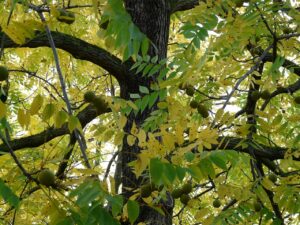
Look, trying to figure out the exact worth of a big black walnut tree on your land can get complicated pretty fast. There are a lot of moving parts, and honestly, I’ve found that trying to do it all myself usually leads to more confusion than clarity. That’s why I always recommend getting a professional appraisal. It’s really the most reliable way to get a solid number.
These folks are the pros for a reason. They know the ins and outs of the timber market, understand how to grade logs properly, and can factor in all those little details that I’d probably miss. They’ll come out, take a good look at your tree – or trees – and give you a realistic valuation. This appraisal is your best bet for understanding the true market value of your timber.
Here’s generally what a professional appraisal involves:
- Tree Assessment: They’ll measure the tree’s diameter, height, and look for any defects like rot, cracks, or excessive branching. The straighter and cleaner the trunk, the higher the value.
- Quality Grading: Black walnut is graded differently from other hardwoods. Professionals know these grading systems, which can include categories for veneer logs (the most valuable) and various sawlog grades.
- Market Analysis: They keep up with current timber prices and demand. This means they know what buyers are willing to pay right now for different qualities and sizes of black walnut logs.
- Accessibility Check: How easy is it for loggers to get to the tree? If it’s deep in a swamp or requires a lot of clearing to access, that can affect the price.
While it might seem like an extra cost upfront, a professional appraisal can save you from under-selling your timber or getting lowballed by potential buyers. It gives you a strong baseline for negotiations and helps you make informed decisions about selling.
Sometimes, you might see charts or online calculators that try to estimate a value. While these can offer a rough idea, they often can’t account for the specific nuances of your tree and local market conditions. For instance, a tree might look good on paper, but a professional can spot subtle issues that reduce its value. Conversely, they might identify potential in a tree that a simple calculator would overlook. Getting a professional opinion is like getting a second, much more informed opinion on a big financial decision. It’s worth the investment if you’re serious about getting the best price for your black walnut timber.
Estimating How Much Is a 50 Ft Black Walnut Tree Worth for Landowners
So, you’ve got a nice, tall black walnut tree on your property, maybe around 50 feet, and you’re wondering how much is a 50 ft black walnut tree worth. It’s not as simple as just looking up a price online, unfortunately. There are a bunch of things that play into the final number.
First off, the tree’s condition is a big deal. Is it straight and tall with a good amount of clear wood, or is it leaning, twisted, or full of branches and knots? The cleaner and straighter the trunk, the more valuable it’s going to be for lumber. Black walnut is prized for its dark, rich color, and that’s most apparent in high-quality wood.
Here are some key things I consider when trying to get a rough idea:
- Diameter at Breast Height (DBH): This is a standard measurement taken about 4.5 feet off the ground. A wider trunk usually means more usable wood.
- Log Length: How much of that trunk is straight and free of major defects? Buyers are often looking for specific lengths of usable logs.
- Overall Tree Health: Is the tree healthy, or does it show signs of disease or insect damage? A sick tree won’t yield as much, or might be worthless for timber.
- Wood Quality: This is where things get a bit subjective, but buyers look for things like the amount of dark heartwood and the absence of rot or excessive knots.
Trying to put a precise dollar figure on a standing tree without professional help can be tricky. It’s best to get a few opinions if you’re serious about selling.
If you’re looking at a single tree, especially one in a yard or near buildings, its value might be different than if it’s part of a larger stand of timber. Sometimes, trees that are hard to get to or pose a risk during harvest can fetch less because of the extra effort involved.
For a rough estimate, you might hear figures thrown around based on board feet. A common range for stumpage (the value of the standing tree before it’s cut) can be anywhere from $1,000 to $3,000 per thousand board feet (MBF). But figuring out how many board feet you have in a 50-foot tree takes some know-how, often involving measuring the DBH and estimating the number of usable logs.
Wondering about the value of a big Black Walnut tree on your land? These giants can be quite valuable, and knowing their worth is important for landowners. If you’re curious about how much your tree might be worth, we can help you find out. Get a free estimate today by visiting our website!
Frequently Asked Questions
What makes black walnut trees so valuable?
Black walnut trees are highly valued for a few key reasons. Their wood has a beautiful, deep, dark brown color that looks great in furniture and other wood items. It’s also pretty easy to work with, making it a favorite for craftspeople. Plus, even though they grow across much of the eastern U.S., they don’t make up a huge part of the forest, making them a bit rare. All these things together make them quite valuable.
How much can I expect to get for a black walnut tree?
The amount you can get for a black walnut tree really changes based on its size, quality, and where it’s located. Generally, standing trees might sell for somewhere between $1,000 $3,000 for every thousand board feet (MBF). However, this is just a rough idea, and the actual price can be quite different.
What’s the difference between stumpage, log, and lumber prices?
There are three main ways black walnut trees are valued. ‘Stumpage price’ is what a logger pays you for the tree while it’s still standing. ‘Log price’ is what mills pay for the logs after they’ve been cut and brought to the mill. ‘Lumber price’ is what you’d pay for the wood after it’s been cut into boards, which is the most valuable stage.
Does the quality of the tree really affect its worth?
Yes, absolutely! Just like with most things, higher quality means higher value. Trees that are straighter, have fewer knots or twists, and are larger in diameter are worth much more. The very best logs, called veneer logs, can bring in a lot of money, but they are quite rare.
Can I sell a black walnut tree from my yard?
Selling a black walnut tree from your yard can be tricky. Usually, you can’t sell it standing because removing trees near homes is a specialized job. Your best bet is to have it cut into logs and then try to sell the logs, possibly to someone with a small sawmill. Sometimes, there are special buyers for individual yard trees, but it’s not common.
How does the location and how easy it is to get to the tree affect its value?
Location and accessibility play a big role. If your trees are in a forest where it’s easy for logging equipment to get to them, they’ll likely be worth more. Trees that are hard to reach, perhaps on a steep slope or far from a road, might be worth less because it costs more to harvest them.
Should I wait for my black walnut trees to get bigger before selling?
It’s generally a good idea to let your black walnut trees grow to a good size, ideally at least 22 to 26 inches in diameter. Trees that are 24 inches or wider will bring in more money, and those over 28 inches can command top prices. Harvesting trees that are too small is usually not worth it unless they are unhealthy.
How do market prices affect how much my tree is worth?
The market price for black walnut can change quite a bit, like any market. Prices can go up or down. Because of this, it’s often best not to try and guess when the market will be highest. Instead, focusing on growing high-quality trees is a more reliable way to ensure you get good value over time.
Request a Quote
Our Services