How Fast Do Bur Oak Trees Grow & What Affects Growth Rate?
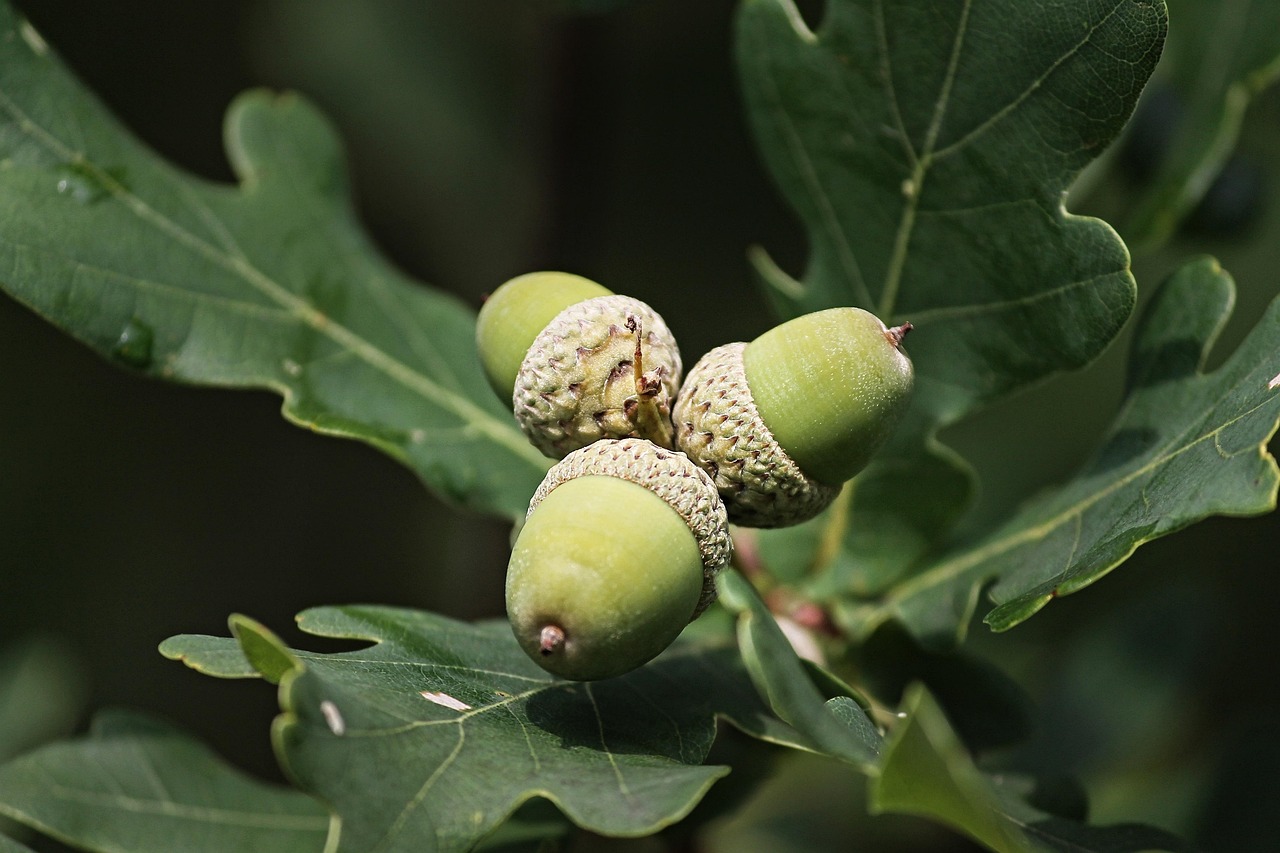
When I first started looking into bur oak trees, I was curious about how fast they actually grow. It turns out, it’s not a simple one-size-fits-all answer. The environment where a bur oak is planted plays a pretty big role in its growth rate. I’ve found that they can be quite adaptable, but certain conditions really help them thrive. In this article, we will discusshow fast do bur oak trees grow.
Understanding How Fast Do Bur Oak Trees Grow in Different Environments
Generally, bur oaks are considered medium-growth trees. While some sources say they grow about 1-2 feet per year, I’ve seen them push closer to 2-3 feet annually when they’re really happy. This can vary a lot, though. Think about it: a tree struggling in poor soil with little water isn’t going to shoot up like one in a prime spot.
Here’s a quick look at what I’ve observed makes a difference:
- Soil: They really prefer deep, rich, well-drained soil. If the soil is compacted or doesn’t drain well, growth will definitely slow down.
- Water: While they are pretty drought-tolerant once established, consistent moisture, especially when they’re young, makes a huge difference in how quickly they gain height.
- Sunlight: Full sun is ideal for bur oaks. They can tolerate some shade, but they’ll grow much better and faster with plenty of direct sunlight.
It’s interesting how much a tree’s location can impact its development. I’ve learned that even within a single yard, a bur oak planted on a sunny slope might grow differently than one in a shady, damp corner.
I’ve also noticed that bur oaks seem to do particularly well in prairie and savanna-like settings, which makes sense given their native range. They’re tough trees, but giving them the right conditions really helps them reach their potential. If you’re looking for a tree that’s not just going to sit there, providing these basic environmental factors is key to seeing good growth from your bur oak.
Natural Habitat and How Fast Do Bur Oak Trees Grow in the Wild
When I think about where bur oaks naturally thrive, it really paints a picture of resilience. These trees are native to North America, popping up all over the eastern and central parts of the United States, and even stretching into Canada. They’re not picky about where they start, often found in woodlands, prairies, and savannas. What’s interesting is how they handle different spots. They seem to prefer deep, rich soils and plenty of sunshine, but they can also manage in lighter shade.
One thing that really stands out is their ability to handle dry spells. This drought tolerance is likely thanks to their impressive taproot system. I read that a one-year-old sapling can have a taproot that’s over four feet deep! That’s a serious anchor and water-seeker.
So, how fast do they grow in these wild settings? It varies, of course. Some sources say they grow about 1 to 2 feet per year. Others mention that with good conditions, like adequate moisture, a young tree might put on 8 to 12 inches annually. But if you give them enough water and keep weeds down, I’ve seen notes suggesting growth could reach up to 40 inches a year. It seems that while they’re not the absolute fastest growers out there, their steady pace and incredible longevity make them a solid choice.
Here’s a quick look at what influences their growth in the wild:
- Water Availability: While drought-tolerant, consistent moisture really helps them pick up the pace.
- Sunlight: They do best with full sun, which fuels their growth.
- Soil Type: Deep, fertile, well-drained soils are ideal, though they adapt.
- Competition: Being in open areas, away from dense forest canopies, seems to benefit their growth.
It’s also worth noting that bur oaks are pretty tough. They’re known for being hearty and resistant to diseases and pests. Their thick bark also makes them surprisingly tolerant of fires, which is a big deal in places like the oak savannas where they often grow. Without natural fires, other, more shade-loving trees can sometimes take over, which is why bur oaks are often found in more open spots.
These trees are built to last. Many bur oaks live for 200 to 300 years, and some have even been recorded living for over 400 years. That kind of lifespan means their growth rate, even if it’s not breakneck, contributes to a truly magnificent, long-lived tree.
Climate Influence on How Fast Do Bur Oak Trees Grow Across Regions
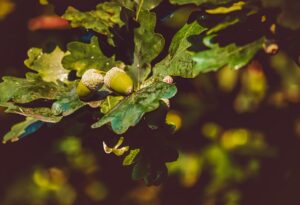
When I think about how fast a bur oak tree grows, climate is a big piece of the puzzle. These trees are pretty tough and can handle a lot, but where you plant them really matters for their growth speed. They’re native to a pretty wide area in North America, from the eastern coast all the way west, and they can even grow pretty far north, further north than most other oaks. This tells me they’re adaptable, but there are definitely sweet spots.
Generally, bur oaks do best in temperate climates. Think of the areas in the eastern Great Plains, the Mississippi River valley, and around the Great Lakes. These places often have the right mix of warm summers and cold winters that the trees seem to like. In these ideal zones, I’ve seen them grow about 1 to 2 feet per year, sometimes even more if they get good care.
However, it’s not just about temperature. Precipitation plays a role too. While bur oaks are known for being drought-tolerant, thanks to their deep taproots, they still need water to really put on growth. Areas that get consistent rainfall throughout the growing season will likely see faster growth than super dry regions, even if both have similar temperature ranges.
I’ve noticed that at the northern and eastern edges of their range, bur oaks tend to be smaller and more shrub-like. This suggests that while they can survive colder temperatures, the shorter growing seasons might limit how much they can grow each year. It’s a trade-off, I guess. They might be hardy, but they won’t be giants in those cooler, shorter-season areas.
Here’s a quick look at how climate might affect growth:
- Temperate Zones: Good rainfall and moderate temperatures usually mean steady growth, around 1-2 feet annually.
- Drier Regions: They can survive, but growth might be slower unless supplemental watering is provided.
- Far Northern/Eastern Edges: Expect slower growth and a more compact, shrubby form due to shorter growing seasons.
It’s interesting how a tree’s native range gives us so many clues about what conditions help it thrive. For bur oaks, it’s a balance of warmth, a decent amount of rain, and a long enough growing period to really stretch out.
Soil Quality and Its Role in How Fast Do Bur Oak Trees Grow
When I’m thinking about how quickly a bur oak will get going, the soil it’s planted in really matters. These trees aren’t super picky, but they definitely do better when they have good soil to work with. They like soil that’s deep and fertile, meaning it has plenty of good stuff for the roots to grab onto. Well-drained soil is also a big plus; nobody likes soggy feet, and neither do tree roots. If the soil holds too much water, the roots can have trouble getting the air they need, and that can slow things down.
I’ve seen bur oaks grow in all sorts of places, from the rich, damp soil near rivers to the thinner, drier spots in the hills. But even in those tougher spots, they tend to do okay because they’re tough and have that deep taproot. Still, if you want to give your bur oak the best chance to grow fast, aim for a spot with good soil.
Here’s a quick rundown of what soil they prefer:
- Deep and Rich: Plenty of room for roots to spread and lots of nutrients.
- Well-Drained: Water shouldn’t sit around the roots for too long.
- Slightly Acidic to Neutral pH: Most oaks are happy in this range.
The better the soil, the more energy the tree has for growing taller and wider. It’s like giving it a really good meal every day. If the soil is poor, compacted, or waterlogged, the tree has to work harder just to survive, and that leaves less energy for growth.
Planting in soil that’s been amended with compost or other organic matter can give a young bur oak a significant head start. This helps improve both the drainage and the nutrient content, creating a more favorable environment for those initial root developments that are so important for future growth.
How Fast Do Bur Oak Trees Grow When Provided with Proper Watering and Sunlight
When I’m asked about how fast bur oak trees grow, I always point to the importance of water and sunlight. It’s not just about planting the tree and forgetting about it; these two factors really make a difference. Think of it like this: a plant needs food and energy to grow, and for trees, that primarily comes from water and sunlight.
With consistent watering and plenty of sun, I’ve seen bur oaks put on a good show, often growing one to two feet per year. It’s not a lightning-fast growth, but for a sturdy, long-lived tree like the bur oak, it’s quite respectable. If you can provide even more ideal conditions, like ample water and maybe a little boost from fertilizer, I’ve heard reports of them reaching two to three feet in a single year. That’s pretty impressive for a tree that’s built to last for centuries.
Here’s a breakdown of what I’ve observed regarding water and sunlight:
- Sunlight: Bur oaks really thrive in full sun. This means at least six hours of direct sunlight per day. If they’re planted in a spot that’s too shady, their growth will definitely slow down, and the tree might become a bit leggy as it stretches for light.
- Watering: Young bur oaks, especially in their first few years after planting, need regular watering. I make sure the soil stays moist but not waterlogged. Once they’re established, they become quite drought-tolerant, which is a big plus. However, during really dry spells, even established trees benefit from a good, deep watering.
- Watering Schedule (General Guideline for Young Trees):
- First Year: Water deeply 1-2 times per week, especially during dry periods. Check the soil moisture a few inches down; if it’s dry, it’s time to water.
- Second and Third Years: Reduce watering to once a week or as needed, depending on rainfall.
- Established Trees: Water deeply only during extended droughts.
It’s a balancing act, for sure. Too much water can be just as bad as too little, leading to root problems. But getting that balance right, along with giving them a sunny spot, really helps these trees reach their potential. I’ve noticed that trees planted in open areas with good sun exposure and consistent moisture tend to look healthier and grow more vigorously than those struggling in shade or dry conditions.
Fertilization and Maintenance Practices That Impact How Fast Do Bur Oak Trees Grow
When I’m thinking about getting my bur oak to really take off, I focus on a couple of key things: feeding it right and keeping it tidy. It’s not like some fussy plant that needs constant attention, but a little bit of effort goes a long way.
For established trees, I usually only fertilize in early spring, right before those new leaves start to pop out. I tend to go for a slow-release fertilizer. It’s important to follow the directions on the package, though. You don’t want to overdo it, as that can cause more harm than good. For younger trees, especially those first few years after planting, I might give them a bit more attention with fertilizer to help them get a strong start. It’s all about giving them the building blocks they need.
Here’s a quick rundown of what I consider good practice:
- Watering: While bur oaks are pretty tough and can handle dry spells once they’re settled in, I still make sure they get enough water during really long dry periods. For new trees, consistent watering is a must for the first growing season.
- Pruning: I usually wait until late winter or early spring, before the tree starts putting out new growth. This is the best time to trim off any dead or damaged branches. It helps keep the tree healthy and looking good.
- Weed Control: Keeping the area around the base of the tree clear of weeds and grass is a good idea, especially for young trees. Weeds compete for water and nutrients, which can really slow down growth.
I’ve found that with good soil and decent rainfall, a bur oak can grow about a foot a year. But if I give it a bit of extra water and a good feeding, I’ve seen them put on two or even three feet in a single year. It’s pretty neat to watch.
I’ve learned that bur oaks are pretty resilient. They don’t usually have a lot of major pest or disease problems, which is a big relief. But, like any tree, they can face challenges. Keeping them healthy through good care practices is the best defense I can offer.
Common Challenges That Can Slow How Fast Do Bur Oak Trees Grow
Even though bur oaks are pretty tough trees, they aren’t completely immune to problems that can slow down their growth. I’ve noticed a few things that can really put a damper on how quickly they get going.
One of the biggest headaches can be pests and diseases. While bur oaks are generally more resistant than some other oak varieties, they aren’t totally untouched. Things like bur oak blight, which causes leaves to turn brown and drop prematurely, can weaken a young tree and stunt its development. Then there’s oak wilt, a serious fungal disease that can be deadly. If oak wilt is present in your area, it’s a major concern, and you might want to reconsider planting bur oaks altogether. Preventing these issues often means being proactive, like pruning at the right time of year to avoid spreading disease.
Here are some common issues I’ve seen:
- Pests: While less common, certain insects can still bother bur oaks, especially when they’re young and vulnerable.
- Diseases: Bur oak blight and oak wilt are the most significant disease threats, impacting leaf health and overall tree vitality.
- Environmental Stress: Extreme weather, like prolonged droughts or severe storms, can stress the tree and slow its recovery and growth.
- Poor Planting Practices: Planting too deeply, not giving enough space, or damaging the roots during planting can set a tree back significantly.
Sometimes, the simplest things can cause the most trouble. For instance, if a young tree doesn’t get enough water during its first few years, it’s going to struggle to establish a strong root system, which directly impacts how fast it can grow upwards and outwards. It’s like trying to run a marathon without any training – you’re just not going to get very far, very fast.
Competition from other plants is another factor. If a bur oak sapling is planted too close to larger, more established trees or aggressive shrubs, it has to fight for sunlight, water, and nutrients. This competition can really slow down its progress, making it seem like it’s barely growing at all. It’s a tough battle for resources, and the young oak often loses out.
Comparing How Fast Do Bur Oak Trees Grow with Other Oak Species
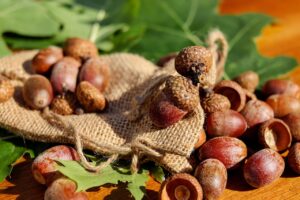
When I talk about trees, people often ask me how fast they grow, and it’s a question I get a lot about oaks. It’s easy to think of oaks as slow growers, and honestly, some of them really are. But the bur oak? It’s a bit of an outlier in the oak family, and I’ve found it to be surprisingly quick, especially when it’s happy.
Let’s put it this way: while some oak species might add just a foot or so over several years, a well-situated bur oak can easily put on a foot or two of growth annually. Some sources even suggest it can reach up to 51 cm (about 20 inches) per year under ideal conditions. That’s a pretty decent clip for a tree that’s going to live for centuries. Compare that to, say, a white oak, which is often considered a slower grower, and the bur oak definitely stands out.
Here’s a rough idea of how they stack up:
- Bur Oak: Can grow 1-2 feet per year, sometimes more with good care.
- White Oak (Quercus alba): Generally considered slower, often around 1 foot per year or less.
- Pin Oak (Quercus palustris): Known for a moderate growth rate, typically 1-2 feet per year, but can be more variable.
- Red Oak (Quercus rubra): Often grows at a moderate to fast pace, similar to or slightly faster than the bur oak, sometimes reaching 2 feet or more annually.
It’s important to remember that these are just general figures. A lot depends on where the tree is planted, how much water it gets, and the soil quality. But even with those variables, the bur oak consistently shows up as a more vigorous grower compared to many of its oak cousins.
The bur oak’s ability to grow at a respectable pace while also developing into a massive, long-lived tree is quite remarkable. It offers a combination of rapid establishment and enduring presence that many other oak species don’t quite match.
So, if you’re looking for an oak that won’t take forever to get going, the bur oak is definitely one I’d consider. It’s not just about the speed, though; it’s about getting a strong, sturdy tree that will be around for generations.
Long-Term Expectations for How Fast Do Bur Oak Trees Grow Over Time
When I think about planting a tree, especially something as significant as a Bur Oak, I’m always curious about the long haul. How will it look in 10, 20, or even 50 years? It’s not just about the initial growth spurt; it’s about establishing a lasting presence in the landscape.
Burr Oaks are known for their longevity. I’ve read that they can easily live for 200 to 300 years, and some even push past 400. That’s a serious commitment! This means the tree I plant today will likely be around for many generations of my family, which is pretty amazing to consider.
In terms of height, while they might start off growing a foot or two a year, especially in their younger years, their growth rate does tend to slow down as they mature. However, they don’t stop growing entirely. They continue to add girth to their trunks and spread their impressive canopies. I expect a mature Bur Oak to reach heights of 70 to 80 feet, with a spread that can be just as wide, if not wider. This makes them a truly grand specimen tree.
Here’s a general idea of what I might expect over the decades:
- First 5-10 Years: Focus on establishing a strong root system. Top growth might be around 1-2 feet per year, sometimes more, with ideal conditions. The tree will look young and perhaps a bit gangly.
- 10-30 Years: This is where they really start to fill out. Growth continues steadily, and the trunk thickens considerably. The canopy begins to take on its characteristic broad shape.
- 30+ Years: Growth slows down, but the tree continues to mature into its full, majestic form. It becomes a significant landscape feature, providing ample shade and a sturdy structure.
It’s important to remember that these are just general timelines. Factors like soil quality, water availability, and even the specific climate I’m in will play a big role. But knowing that I’m planting a tree that’s built to last, and will continue to grow and develop for centuries, is a really satisfying thought.
The long-term vision for a Bur Oak is one of enduring presence. It’s not a tree that rushes through its life; rather, it’s a slow, steady builder, creating a legacy of shade and structure that will outlive me by many, many years. I’m planting for the future, for the grandchildren I might never meet, and that’s a powerful thing.
Thinking about how fast Bur Oak trees grow? While they might not be the speediest growers, their sturdy nature makes them a fantastic choice for any yard. If you’re curious about tree care or need help with your trees, we’re here to assist! Visit our website to learn more about our services and get a free quote today.
Frequently Asked Questions
How fast do bur oak trees typically grow each year?
I’ve found that bur oak trees usually grow about 1 to 2 feet taller each year. With good care, like enough water and a little fertilizer, they can sometimes grow even faster, reaching 2 to 3 feet in a single year.
Are bur oak trees known for being slow growers?
While some oak trees are indeed slow growers, the bur oak is actually one of the faster-growing types. It’s a common misconception that all oaks are slow, but bur oaks can surprise you with their steady growth, especially when they have what they need.
What factors can influence how quickly a bur oak tree grows?
Several things affect how fast a bur oak grows. These include how much water it gets, how much sunlight it receives, the quality of the soil it’s planted in, and whether it gets any extra nutrients from fertilizer. The climate also plays a big role.
Do bur oak trees need a lot of water to grow fast?
Bur oak trees do need water to grow well, but they are also quite tough and can handle dry spells thanks to their deep roots. While consistent watering helps them grow faster, they are known for their ability to survive even when water is scarce.
Can planting a bur oak tree in a certain location speed up its growth?
Yes, where you plant your bur oak matters. They grow best in deep, rich, and well-drained soil. Giving them plenty of sunlight and making sure they have enough space without being crowded by other plants will also help them grow at their best.
Are there any common problems that might slow down a bur oak’s growth?
Bur oak trees are generally quite strong and resistant to many pests and diseases. However, serious issues like Oak Wilt or Bur Oak Blight can slow their growth or harm them. It’s important to plant healthy trees and take steps to prevent these diseases.
How tall can a bur oak tree get, and how long does it take to reach that size?
Bur oak trees can become very large, often reaching heights of 50 to 80 feet, and sometimes even taller. They are also very long-lived, with many living for 200 to 300 years, so they grow into their impressive size over a long period.
Is it true that bur oak roots grow downwards and don’t cause problems?
That’s one of the great things about bur oak trees! Unlike some other trees, their roots grow deep into the ground instead of spreading out near the surface. This means they are much less likely to damage sidewalks, driveways, or building foundations.
Request a Quote
Our Services