Can Burning a Stump Cause a Root Fire to Spread?
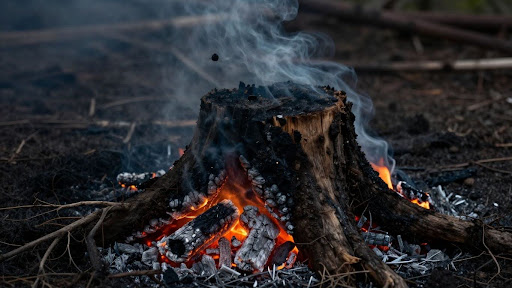
So, you’ve got a tree stump hanging around, and you’re thinking about just setting it on fire to get rid of it. I get it, it seems like a quick fix. But honestly, burning a stump can cause a lot more trouble than it’s worth. It’s not as simple as it looks, and you might end up with a whole new set of problems. Let’s talk about whether burning a stump can cause a root fire and what else can go wrong.
Understanding Stump Fires and Root Systems
When you think about getting rid of a stubborn tree stump, burning might cross your mind. It seems like a straightforward way to deal with that woody eyesore left after cutting down a tree. But before you even consider lighting a match, it’s important to understand what’s really going on with stumps and their root systems. Can burning a stump cause a root fire to spread? But before you even consider lighting a match, it’s important to understand what’s really going on with stumps and their root systems. Burning a stump can indeed cause a root fire to spread, and it’s a risk many people underestimate.
How Stumps Burn: The Process
A tree stump isn’t just a chunk of wood sitting on top of the ground. It’s the base of a tree, connected to an extensive network of roots that can extend far beyond the stump’s visible perimeter. When you try to burn a stump, you’re not just igniting the surface wood. The fire can smolder deep within the stump and, more concerningly, travel into the root system. This underground burning is often slow, persistent, and hard to detect.
- Initial Ignition: Fire starts on the exposed wood of the stump.
- Deep Smoldering: Heat penetrates the stump, igniting drier, inner wood.
- Root Involvement: The fire finds pathways into the underground root network.
- Subterranean Spread: The fire consumes roots, moving away from the original stump location.
The reality is that fire rarely consumes a stump entirely. Much of the underground structure often remains, continuing to smolder or providing a pathway for the fire to travel.
The Nature of Tree Roots
Tree roots are the lifeblood of a tree, anchoring it and drawing nutrients and water from the soil. They don’t just grow straight down; they spread out horizontally, often much further than the tree’s canopy. These roots, especially when dead and dry, can become incredibly flammable. Think of them like kindling waiting for a spark. Can burning a stump cause a root fire? The larger the tree, the more extensive and substantial its root system will be, increasing the potential fuel for an underground fire. This network is interconnected, meaning a fire starting in one part of the root system can easily travel to others. This is a key reason why burning a stump can cause a root fire to spread.
The Risk of Root Fires Spreading
Factors Influencing Fire Spread Below Ground
So, you’ve got a stump smoldering away. It might look like it’s just burning itself out, but the real danger is often happening underground. Tree roots aren’t just little threads; they can spread out for quite a distance, sometimes many feet from the stump itself. And guess what? Dry roots and the surrounding soil can act like a wick for a fire. This is a key reason why can burning a stump cause a root fire to spread. And guess what? Dry roots and the surrounding soil can act like a wick for a fire.
Several things make it easier for a fire to creep along these root systems:
- Fuel Availability: The drier the roots and the surrounding organic material in the soil, the more fuel there is for the fire to consume. Think of it like dry tinder in a campfire.
- Oxygen Supply: Fire needs air. Cracks and tunnels in the soil, often created by decaying roots or animal burrows, can provide pathways for oxygen to reach the burning material underground.
- Soil Type: Some soils hold heat better than others. Compacted or clay-heavy soils might slow down a fire, while sandy soils can sometimes allow it to spread more quickly.
- Moisture Levels: Obviously, if the ground is really wet, it’s going to be harder for a fire to spread. But even in areas that aren’t completely saturated, pockets of moisture can slow things down, while dry patches can let it race ahead.
The biggest worry is that these underground fires can burn for days, even weeks, completely out of sight. They can travel a surprising distance before anything is noticed above ground.
Conditions That Increase the Danger
While a fire can spread under many conditions, some situations really crank up the risk factor for stump and root fires.
- Drought Periods: When the weather has been dry for a while, everything in the soil, including the roots, becomes much more flammable. This is prime time for underground fires to get going and spread.
- Accumulated Organic Matter: If there’s a thick layer of dead leaves, pine needles, or other organic debris on the forest floor or around the stump, it acts as an insulator and provides extra fuel. This can help a fire smolder underground for a long time.
- Windy Conditions: Even if the fire is mostly underground, strong winds can create drafts that pull oxygen into the root system, fanning the flames and potentially causing the fire to resurface in new spots.
- Previous Fire Activity: Areas that have experienced wildfires before might have a lot of dead, dry root systems already in place, making them more susceptible to reignition or rapid spread from a new fire source.
It’s easy to underestimate what’s happening beneath the surface. A stump fire might seem contained, but the network of roots acts like a hidden highway for flames. What looks like a small problem on top can quickly become a much larger, unseen threat spreading through the ground, potentially reigniting or causing damage far from the original burn site.
Preventing Stump Fires and Root Fire Spread
So, you’ve got a stubborn tree stump that needs to go. Burning might seem like a quick fix, but honestly, it’s usually more trouble than it’s worth. There are definitely safer and more effective ways to deal with those woody remnants. Can burning a stump cause a root fire? Let’s talk about how to handle stump removal without inviting a whole host of problems, especially the kind that can creep underground.
Safe Stump Removal Methods
When it comes to getting rid of a stump, fire isn’t your best friend. It rarely gets the whole job done, leaving you with charred wood and deep roots still in the ground. Plus, the heat can really mess with your soil. Instead, consider these alternatives:
- Stump Grinding: This is a popular choice for a reason. A specialized machine grinds the stump down into small wood chips, usually well below the soil surface. It’s fast, clean, and you can often replant or landscape the area right away. It’s a much more controlled process than trying to burn it out.
- Chemical Decomposition: You can buy products that help speed up the natural rotting process. These usually contain chemicals that break down the wood, making it softer and easier to remove over time. It takes patience, though – think weeks or months, not hours.
- Manual Removal: For smaller stumps, good old-fashioned digging might be an option. It’s hard work, but it gives you complete control and avoids any fire risks.
Fire Prevention During Stump Burning
If, for some reason, you’re still set on burning a stump (and we really don’t recommend it), you absolutely must take precautions. The biggest mistake is thinking the fire stays put. Remember, roots can spread far and wide underground, and dry wood down there is like tinder.
- Clear the Area: Make sure there’s a wide, clear zone around the stump, free of dry leaves, grass, or any flammable materials. We’re talking at least 10 feet, maybe more, just to be safe.
- Wet Everything Down: Before you even think about lighting a match, thoroughly soak the ground around the stump. This helps create a barrier against stray embers or heat spreading underground. You’ll want to keep water and a shovel handy throughout the process.
- Never Leave It Unattended: This is non-negotiable. A stump fire needs constant supervision. Don’t wander off, even for a minute. If you need to step away, make sure the fire is completely out or have someone else watch it.
Burning a stump might seem like a simple way to get rid of it, but the reality is often a slow, incomplete burn that leaves behind a charred mess. The real danger lies in the unseen: underground root systems that can carry fire far beyond where you can see it, potentially reigniting later or spreading to unwanted areas. It’s a gamble with your property and potentially your neighbors’.
Monitoring and Extinguishing Stump Fires
Once a stump is burning, your job isn’t over. You need to be vigilant. Keep an eye out for any signs of smoke or heat escaping the immediate stump area. If you see anything suspicious, like smoke puffing up from the ground nearby, you need to act fast.
- Water is Your Best Friend: Have plenty of water available. Douse any smoldering areas thoroughly. Don’t just sprinkle; really soak it.
- Dig and Douse: Use a shovel to break apart any remaining burning wood and then douse it with water again. This helps ensure you’re getting to the heart of the embers.
- Check for Days: Even after you think it’s out, keep checking the stump area for several days. Underground fires can smolder for a long time and reignite unexpectedly. A thorough soaking and digging can help prevent this, but vigilance is key. If you’re unsure, it’s always better to call the fire department.
When to Seek Professional Help
Look, sometimes trying to handle a stubborn stump yourself just isn’t the best idea. If you’ve got a really big stump, or maybe it’s in a tricky spot, or you’re just not feeling confident about tackling it, it’s totally okay to call in the pros. They’ve got the right gear and know-how to get the job done safely and without a whole lot of fuss. Plus, they can make sure you’re not accidentally breaking any local rules about burning or disposal.
Here are a few signs it’s time to get some expert assistance:
- The stump is unusually large or deeply rooted.
- You’re concerned about underground utilities near the stump.
- The stump is in a hard-to-reach area or close to structures.
- You’ve tried other methods, and they haven’t worked.
- You’re worried about the potential for fire spread or other safety issues.
Trying to burn a stump yourself can quickly turn into a bigger problem than you bargained for. It’s not just about the flames you see; it’s about what might be happening under the surface. If you’re not sure you can control it, or if you’re dealing with something that feels beyond your comfort zone, bringing in someone who does this for a living is the smart move. They can handle it efficiently and, most importantly, safely.
The Potential for Root Fire Spread
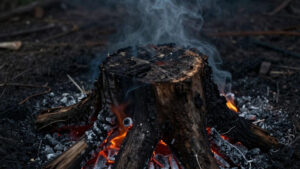
So, after all this, can burning a stump really lead to a root fire spreading? The short answer is yes, it absolutely can. It might seem like a contained fire, just burning away that old stump, but tree roots are like a hidden network underground. They can stretch out quite a ways, and if they’re dry, they become fuel. Igniting a stump is basically lighting a match at one end of this hidden fuel line.
This underground burning is tricky because you can’t always see it. It smolders away, sometimes for days or even weeks, and the heat can travel. It’s not just about the stump itself; it’s about what’s connected to it beneath the soil. This is why it’s so risky, especially when conditions are dry. A seemingly small stump fire can become a much larger problem, potentially spreading unseen until it surfaces somewhere else entirely.
Here’s a quick rundown of why it’s such a concern:
- Unseen Spread: Fires can travel through root systems without you even knowing.
- Reignition Risk: Smoldering roots can reignite days or weeks later.
- Environmental Damage: Heat can damage the surrounding soil and plants.
- Escalation: In dry conditions, a root fire can easily become a larger wildfire.
The temptation to burn a stump for quick removal is understandable, but the potential consequences are significant. The underground nature of root systems means a fire can spread in ways that are difficult to predict or control, turning a simple backyard task into a serious hazard. It’s a gamble that often isn’t worth the risk.
Ultimately, while burning might seem like a straightforward solution, it carries a real danger of igniting underground root systems. This practice is strongly discouraged due to the potential for widespread destruction, and safer alternatives for stump removal are always the better choice.
Understanding how fires can start from tree roots is crucial for safety. These hidden dangers can spread quickly if not managed. Don’t wait for a problem to arise; take action now. Visit our website to learn more about tree health and fire prevention, and get a free quote for our expert services.
Frequently Asked Questions
Why is burning a stump a bad idea?
Burning a stump might seem like a quick fix, but it’s often messy and dangerous. The fire rarely gets the whole stump, leaving charred wood behind. More importantly, it can easily spread underground through the roots, potentially causing wildfires. It can also damage your soil, release harmful fumes, and might even be against local laws.
How does a stump fire spread underground?
Think of tree roots like a network of tunnels under your yard. When a stump burns, the heat and flames can travel through these root tunnels. If the roots are dry, they catch fire, and the burning can continue deep in the soil, moving away from the original stump.
What are safer ways to get rid of a tree stump?
There are many safer and more effective methods! Stump grinding uses a machine to chew the stump down to wood chips, usually below ground level. You can also use chemicals to speed up the natural rotting process, or hire professionals who have the right tools and knowledge to remove it safely and cleanly.
Can burning a stump harm my garden or yard?
Yes, the intense heat from a stump fire can really damage the soil around it. It can bake the ground, kill beneficial organisms, and make it hard for new plants to grow there later. It can also scorch nearby grass or even crack patios.
Is it illegal to burn a tree stump?
It can be! Many towns and cities have rules against open burning, especially in residential areas, because of the fire risk and smoke pollution. You might need a permit, or it might be completely banned. It’s always best to check your local regulations before even thinking about lighting a stump.
Request a Quote
Our Services