
Where Do Linden Trees Grow: Soil, Sun & Water Requirements
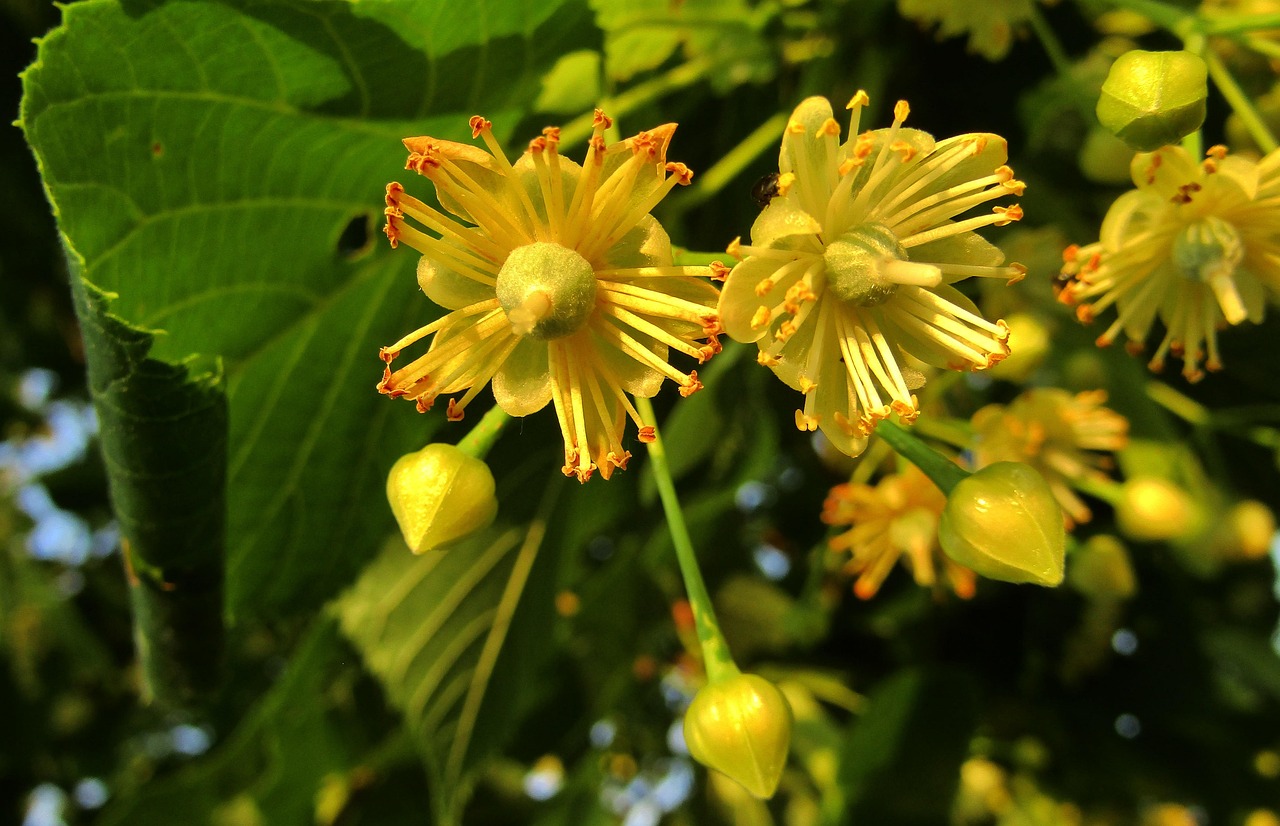
Thinking about planting a linden tree? These trees are pretty popular, and for good reason. They offer nice shade and can handle a fair bit of urban life. But knowing where do linden trees grow best is key to getting a healthy, happy tree. Let’s break down what they need when it comes to soil, sun, and water, so you can pick the perfect spot.
An Overview of Where Do Linden Trees Grow?
So, you’re wondering where do Linden trees grow? These adaptable trees, also known as basswood, are pretty widespread and can be found thriving in a variety of places. They’re a fantastic choice for many landscapes because they’re generally hardy and don’t demand too much fuss.
Linden trees are native to North America, Asia, and Europe, which gives you a clue about their adaptability. You’ll often see them planted in urban settings because they can handle less-than-ideal conditions, like pollution, pretty well. They’re also known for being long-lived, with some specimens reaching hundreds of years old.
Here’s a quick rundown of what makes a good spot for a linden:
- Climate: They generally prefer temperate climates.
- Soil: Adaptable, but they really like soil that drains well.
- Sunlight: They do best with full sun to partial shade.
- Water: Consistent moisture is key, especially when they’re young.
These trees are great for providing shade, and their fragrant flowers are a big hit with pollinators. If you’ve got a decent amount of space, a linden can be a beautiful and beneficial addition to your yard or a park. They’re not overly picky, which is why you see them popping up in so many different areas. It’s this general hardiness that makes figuring out where do linden trees grow so straightforward for many gardeners.
While they are quite forgiving, understanding their basic needs for soil, sun, and water will help ensure your linden tree flourishes for years to come. It’s not rocket science, just a bit of common sense about what plants generally need to be happy.
When considering where do linden trees grow, think about their mature size too. Some varieties can get quite large, so make sure you have the space for them to spread out. You can find more information on specific varieties and their needs on pages like Little Leaf Linden care.
Natural Range and Native Regions of Linden Trees
Linden trees, also known as basswood, aren’t just a single type of tree; there are about 30 different species scattered across the globe. You’ll find them naturally growing in parts of North America, Asia, and Europe. Think of them as a well-traveled bunch!
In North America, the American linden, or basswood (Tilia americana), is a common sight, especially in larger open spaces like parks. Over in Europe, you’ll see species like the little-leaf linden (Tilia cordata) and the European linden (Tilia europaea), which often have a more formal, pyramid-like shape.
These trees tend to prefer temperate climates. They aren’t usually found in super hot deserts or way up in the Arctic tundra. They like areas with distinct seasons, which helps them thrive and do their thing each year.
Here’s a quick look at where you might spot them:
- Europe: Widespread across the continent, often found in mixed forests.
- Asia: Common in temperate regions, particularly in Eastern Asia.
- North America: Found from eastern Canada down into the eastern and central United States.
It’s interesting to note that many linden trees are quite long-lived, with some individuals reportedly living for hundreds of years, and in rare cases, even up to a thousand!
While they have a wide natural distribution, specific species have adapted to slightly different conditions within these broad regions. This means that if you’re looking at a linden tree, its exact origin might influence its specific needs and appearance, even if it’s generally considered a ‘linden’.
So, when you see a linden tree, remember it’s part of a big, old family with roots stretching across continents.

Climate Conditions That Define Where Do Linden Trees Grow Best
So, where do linden trees really thrive? Think temperate zones. These trees aren’t fans of extreme heat or super cold, dry conditions. They generally prefer areas with distinct seasons, meaning they appreciate a good, cold winter to go dormant and a warm, but not scorching, summer to do their growing.
Linden trees generally do best in climates that experience moderate temperatures and consistent moisture. They can handle a decent amount of cold, which is why you’ll find them doing well in places like parts of Canada and the northern United States, but they also need enough warmth during the growing season to really flourish. If you live somewhere with really harsh, dry summers or incredibly frigid winters without much snow cover, a linden might struggle.
Here’s a quick look at what they generally prefer:
- Temperature Range: They like it mild. Think average summer highs in the 70s and 80s Fahrenheit, and winter lows that dip below freezing but aren’t brutally cold for extended periods.
- Humidity: Moderate humidity is usually fine. They don’t typically do well in very arid environments where the air is constantly dry.
- Seasonal Changes: Lindens benefit from clear seasonal changes. This helps them regulate their growth and dormancy cycles properly.
While many linden varieties are quite adaptable, understanding the typical climate of their native regions gives us a good clue. They often hail from areas with predictable rainfall patterns and a good balance between warm and cold periods throughout the year. This natural inclination means they’ll perform best when those conditions are mimicked in your garden.
If you’re in a region with a lot of temperature fluctuation or extreme weather events, it’s worth looking into specific linden cultivars that have been bred for greater resilience. Some varieties are tougher than others when it comes to handling less-than-ideal climate conditions.
USDA Hardiness Zones for Linden Tree Growth
When you’re thinking about where linden trees will thrive, the USDA Plant Hardiness Zones are a really good place to start. These zones give you a general idea of how cold a region gets in the winter, which is super important for knowing if a tree can survive there year after year.
Most linden trees, especially the common varieties like Littleleaf Linden (Tilia cordata) and American Basswood (Tilia americana), are pretty tough when it comes to cold. They generally do well in zones 3 through 7 or 8, depending on the specific type.
Here’s a quick look at what that means:
- Zone 3: These areas experience winter lows of -40°F to -30°F. Trees like the Dropmore Linden were specifically developed for these colder climates.
- Zone 4: Winter lows range from -30°F to -20°F. Many linden varieties are well-suited here.
- Zone 5: Expect winter lows between -20°F and -10°F. Lindens are generally very happy in this zone.
- Zone 6 & 7: These zones have milder winters with lows between -10°F and 20°F. Most linden species will do just fine, though some might prefer slightly cooler conditions.
It’s worth noting that some cultivars are bred for even greater hardiness. For instance, the ‘Dropmore’ Linden is known to be exceptionally cold-hardy, making it a great choice for the northern reaches of Zone 3.
While the hardiness zones give you a solid baseline, remember that other factors like soil, sun, and moisture also play a big role in how well your linden tree grows. A tree might be technically hardy in your zone, but if its other needs aren’t met, it won’t be a happy camper.
So, before you pick out your linden, check its specific hardiness zone rating. It’s usually listed on the plant tag or the nursery’s website. This simple step can save you a lot of potential disappointment down the road and help ensure your tree grows strong for years to come.
Soil Types That Support Healthy Linden Tree Growth
So, you’re wondering about the dirt under your linden tree’s roots? It’s pretty important, honestly. Lindens aren’t super picky, which is great, but they do have preferences.
They generally like loamy or sandy loam soils. This means a good mix of sand, silt, and clay, giving you decent drainage without being too sandy. Think of soil that feels crumbly and holds together when you squeeze it, but doesn’t turn into a sticky mess.
Here’s a quick rundown of what works best:
- Loam: The gold standard, offering a balanced mix for roots.
- Sandy Loam: Good drainage, which is key. This helps prevent waterlogged roots.
- Clay Loam: Can work if drainage is improved, but pure heavy clay is usually a no-go.
What they really don’t like is sitting in soggy ground. Lindens have roots that spread out, and they need air. If the soil stays waterlogged, the roots can rot, and that’s a fast track to problems for your tree.
Lindens are pretty adaptable and can tolerate a range of soil conditions, but good drainage is non-negotiable for long-term health. Avoid areas where water tends to pool after a rain.
When you’re planting, especially if you’re dealing with less-than-ideal soil, amending it can help. Adding some compost or other organic matter can improve the structure and fertility of most soils. This is especially helpful if you’re planting a linden in a more challenging spot, like a city environment where soil quality can be questionable. Just remember to mix it in well with the existing soil.
Ideal Soil pH and Drainage for Linden Trees
When you’re figuring out the best spot for your linden tree, pay attention to the soil’s pH and how well it drains. Lindens aren’t super picky, but they do have preferences that help them thrive. Most linden species do best in soil that’s pretty close to neutral, or even a bit alkaline. This usually means a pH range between 6.0 and 8.0. While they can put up with slightly acidic conditions, leaning towards neutral or alkaline conditions is generally the sweet spot for healthy growth and nutrient uptake.
Drainage is another big one. Lindens absolutely hate having their roots sit in soggy soil. Soggy conditions can lead to root rot, which is a fast track to a sick tree. You want soil that lets excess water escape fairly quickly.
Here’s a quick rundown:
- pH Range: Aim for 6.0 to 8.0 (neutral to slightly alkaline).
- Drainage: Must be good; avoid waterlogged areas.
- Tolerance: Can handle slightly acidic soil, but prefers neutral to alkaline.
If you’re unsure about your soil, a simple soil test can give you a clear picture. Knowing your soil’s pH is a good first step before planting any tree, and it helps in selecting the most suitable species for your area.
Lindens are pretty adaptable, but consistently waterlogged soil is their nemesis. If your planting site tends to hold water after a rain, consider amending the soil with organic matter to improve drainage or even building a slightly raised bed for your tree. This simple step can make a world of difference in preventing future problems and keeping your linden happy and healthy for years to come.
Sunlight Requirements
So, where do linden trees like to soak up the rays? Generally, these trees are pretty flexible when it comes to sunlight. Most linden varieties do best when they get plenty of sun. Think of it as their preference for a good tan. They can handle full sun, which means at least six hours of direct sunlight a day. This is usually where you’ll see them grow the most vigorously and produce the best blooms.
However, they aren’t completely opposed to a little shade. Many linden trees will also do just fine in partial shade. This could be a spot that gets direct sun for about two to six hours daily, or perhaps dappled light throughout the day. If you’re in a really hot climate, a bit of afternoon shade might even be beneficial to prevent scorching, though this is less common for lindens.
Here’s a quick rundown:
- Full Sun: Ideal for most linden species. Expect robust growth and flowering.
- Partial Shade: Tolerated well by a wide variety. Growth might be slightly less vigorous than in full sun.
- Deep Shade: Generally not recommended. Lindens may become leggy and produce fewer flowers.
It’s worth noting that while they tolerate partial shade, you might notice a difference in how dense their canopy is or how many fragrant flowers they produce compared to a linden planted in full sun. For the most impressive display and healthiest growth, aiming for a spot with ample sunlight is usually the way to go.
When choosing a spot for your linden tree, remember that while they can adapt, giving them the conditions they thrive in will lead to a much happier, healthier tree. Full sun is generally the best bet for these adaptable trees, helping them reach their full potential in your yard.
Water Needs and Moisture Preferences of Linden Trees
Linden trees generally like it consistently moist, but they’re not fans of having their roots sit in soggy soil. Think of it as a happy medium – not too dry, not too wet. Younger trees need more attention to watering than established ones.
When you first plant a linden, especially if it’s a seedling, aim to water it about twice a week for the first couple of years. This helps those roots get a good start and spread out. Once the tree is more settled in, you can probably cut back to watering once a week, or even less if you’re getting decent rainfall. A good rule of thumb is about an inch of water per week, but always check the soil first. If it feels dry a few inches down, it’s time to water. If it’s already damp, hold off.
Established linden trees are pretty tough and can handle short dry spells pretty well. However, during really hot, dry summers, they might appreciate a little extra drink. It’s all about observing your tree and the weather.
Here’s a quick rundown:
- Newly Planted Trees: Water 1-2 times per week for the first 2-3 months, keeping soil moist but not waterlogged.
- Young Trees (1-2 years): Water about once a week, adjusting based on rainfall.
- Established Trees: Water only during prolonged dry spells or extreme heat.
It’s really important not to overwater, as this can lead to root rot, which is a much bigger problem than a little dryness. You want the soil to be damp, not swampy. If you’re in an area with unpredictable rainfall, like Calgary, it’s good to know which tree species are suitable for the local climate and water availability.
Pay attention to the soil moisture around your linden tree. Stick your finger a few inches into the ground. If it feels dry, it’s time to water. If it’s moist, your tree is probably happy. This simple check can prevent a lot of potential problems.
During periods of drought or intense heat, supplemental watering becomes more important. This helps the tree cope with the stress and keeps its leaves looking healthy. Remember, consistent moisture is key for a thriving linden.
How Rainfall and Irrigation Affect Where Do Linden Trees Grow
Linden trees, while generally pretty tough, definitely have their preferences when it comes to water. Getting the watering right is a big deal, especially when they’re just getting started.
Consistent moisture is key for young linden trees to establish a strong root system. For the first couple of years after planting, aim to water them about twice a week if there’s no rain. Once they’re a bit more settled, once a week is usually enough. A good rule of thumb is about an inch of water per week, but always check the soil first. You don’t want them sitting in soggy ground, as that can lead to root rot.
Established linden trees are a bit more forgiving. They can handle dry spells pretty well, but during really hot, dry periods, a good watering will still help them out. It’s all about keeping that soil from drying out completely.
Here’s a quick rundown on watering needs:
- Newly Planted (First 1-2 Years): Water 1-2 times per week without rain. Keep soil consistently moist, not waterlogged.
- Established Trees: Water deeply during prolonged dry spells or extreme heat.
- Avoid Overwatering: Soggy soil is a linden’s enemy, leading to root rot.
Rainfall plays a huge role, of course. If you’re getting regular, decent rain, you probably won’t need to do much supplemental watering. But if you live in a drier climate or have a particularly dry summer, you’ll need to step in with the hose or a watering can. It’s a balancing act, really.
Think of it like this: you wouldn’t expect a baby to run a marathon, right? Young trees are the same. They need that steady support – in this case, water – to grow strong. Once they’re mature, they’ve built up their resilience and can handle a bit more on their own, but they still appreciate a drink when things get tough.
Urban and Landscape Settings Where Linden Trees Grow Well
Linden trees are surprisingly tough and can handle a lot of the challenges that come with city living and manicured landscapes. They’re often a go-to choice for street trees and parks because they don’t mind pollution or compacted soil as much as some other trees do. Their ability to tolerate less-than-ideal conditions makes them a solid pick for urban environments.
When you’re thinking about where to plant a linden in a more designed setting, consider these points:
- Street Trees: Many linden varieties, like the Greenspire Linden, have a nice upright shape and a straight trunk, which works well along sidewalks and streets. They can handle the exhaust fumes and occasional salt spray better than many other species.
- Parks and Public Spaces: Their broad canopy offers great shade, making them perfect for picnic areas or just a shady spot to relax. They can grow quite large, so make sure there’s enough room for them to spread out. A mature tree can provide significant shade for your home, helping to cool it down.Landscape trees can significantly cool your home by providing shade.
- Residential Yards: Smaller cultivars can fit nicely into front or back yards. Just be aware that some varieties might be sensitive to heavy road salt use, so if you live somewhere that gets a lot of salt in winter, choose your linden carefully.
Lindens are generally pretty adaptable, but they do have preferences. They like soil that’s not too wet and not too dry, and while they can handle some shade, they really do best with plenty of sun. They’re also known for being relatively low-maintenance once they get going, which is always a plus for busy homeowners or city planners.
While lindens are tough, they aren’t invincible. Extreme pollution, heavy road salt, or being planted in waterlogged soil can stress them out, leading to stunted growth or other issues. Picking the right spot from the start makes a big difference in how well your linden tree thrives.
Common Growth Problems Linked to Poor Site Conditions
Even though linden trees are generally pretty tough, they can still run into issues if they aren’t planted in the right spot. It’s not usually the tree itself, but the environment it’s stuck in that causes the trouble.
One common sign that a linden tree isn’t happy is browning leaves, especially around the edges. This is often called leaf scorch, and it usually means the tree isn’t getting enough water, particularly when it’s hot out. Consistent drought stress is a major culprit here.
Sometimes, you might notice stunted growth. This can happen if the tree is planted in a really tough urban setting. Think heavy pollution, strong winds whipping through, or even salt spray from nearby roads in winter. These conditions can really stress a tree out.
Here are some other problems you might see:
- Aphid infestations: These little pests can cause sticky sap to drip from the tree, making a mess and weakening the tree.
- Powdery mildew: A white, powdery coating on the leaves, often appearing in humid conditions.
- Verticillium wilt: While not super common, this fungal disease can be serious and even fatal if it takes hold.
It’s also worth remembering that lindens, like most trees, don’t like having their roots sitting in soggy soil. If the drainage isn’t good, you can end up with root problems. This is why picking a spot withwell-draining soil is so important.
Planting a tree too deeply is a surprisingly common mistake. It can suffocate the roots and prevent the tree from getting the air it needs to thrive. Always plant at the root flare, where the trunk starts to widen out above the root system.

Tips for Choosing the Right Planting Location for Linden Trees
So, you’ve decided a linden tree is the way to go. Awesome choice! Now, where should this beauty actually go in your yard? It’s not just about sticking it anywhere; a little thought up front makes a big difference down the road. The best spot offers a good mix of sun, decent soil, and enough space to grow.
Think about what lindens really like. They’re pretty adaptable, which is great, but they do have preferences. Most varieties do best with at least six hours of direct sun each day. Too much shade, and you might end up with a lankier tree that doesn’t look as full. On the flip side, they don’t usually mind a bit of afternoon shade in really hot climates, so keep that in mind if you’re in a scorcher.
When it comes to soil, well-drained is the name of the game. Nobody likes soggy feet, and trees are no different. They can handle a range of soil types, from clay to loam, but if your yard tends to hold water after a rain, you might want to amend the soil or consider a raised bed. They also tend to prefer soil that’s not too acidic – a neutral to slightly alkaline pH is usually ideal.
Here’s a quick rundown of what to look for:
- Sunlight: Aim for full sun (6+ hours daily), but partial shade is okay in very hot areas.
- Soil: Needs to drain well. Avoid areas where water pools.
- Space: Give it room! These trees can get quite large, both in height and width. Check the mature size for the specific variety you choose.
- Protection: While adaptable, they appreciate some shelter from harsh, drying winds, especially when young.
Don’t forget about what’s going on underground, too. You want to avoid planting right over utility lines or where tree roots might interfere with foundations or septic systems. A little digging around before you plant can save a lot of headaches later.
Planting a linden tree at the correct depth is super important. You want the spot where the trunk flares out just above the roots to be level with the surrounding soil. Planting too deeply is a common mistake that can really harm the tree, so take your time getting this right.
Finally, think about the mature size of the linden variety you’ve picked. Some can get pretty big, so make sure there’s enough space for it to spread its branches without crowding buildings, power lines, or other trees. It’s always better to give them a little extra room than to have to deal with pruning it back constantly later on.
Finding the perfect spot for your linden trees is super important for them to grow big and strong. Think about how much sun they’ll get and if the soil is just right. Want to learn more about giving your trees the best home? Check out our website for all the details!
Frequently Asked Questions
What kind of places do linden trees like to grow in?
Linden trees are pretty flexible and can grow in many spots. They like areas that get a good amount of sun but can also handle some shade. The soil should be moist but not waterlogged, meaning it drains well. They’re also known to do well in cities, even with pollution.
Are linden trees picky about their soil?
Not really! Linden trees aren’t too fussy about soil. They do best in soil that’s like a mix of sand and clay (loamy) and drains well. They can handle slightly acidic, neutral, or even slightly alkaline soil conditions.
How much sun do linden trees need?
Linden trees generally prefer full sun, meaning they get at least six hours of direct sunlight a day. However, they can also grow in partial shade, where they receive two to six hours of sunlight daily. Too much shade might slow down their growth.
How much water should I give a linden tree?
Young linden trees need regular watering, about once or twice a week for the first few months, especially if it’s not raining. Keep the soil moist but not soggy. Once the tree is established, it only needs extra water during very dry spells.
What are the best growing zones for linden trees?
Linden trees are quite hardy and can grow in a wide range of climates. Many types do well in USDA hardiness zones 3 through 7, meaning they can survive cold winters and warm summers.
Can linden trees grow in small yards?
Yes, linden trees can be a great choice for yards. There are different sizes available, so you can pick one that fits your space. Smaller varieties are perfect for front or back yards, while larger ones are better for parks or bigger properties.
Are linden trees messy?
Sometimes, they can attract pests like aphids, which might leave a sticky sap. However, this is usually temporary, and the tree bounces back each spring. They don’t typically drop a lot of messy fruit or leaves.
Do linden trees need a lot of pruning?
Linden trees generally don’t require much pruning. If you need to trim them, it’s best to do it in late winter or early spring before new leaves appear. You can remove any dead or unwanted branches.
What problems can happen if a linden tree is planted in the wrong spot?
If planted in a bad spot, a linden tree might show stunted growth. This could happen if it’s in an area with too much pollution, strong winds, or salt spray from roads, especially in cities.
Are linden trees good for attracting wildlife?
Absolutely! Linden trees have fragrant flowers that are a big hit with pollinators like bees. These bees can even make delicious honey from the nectar. Birds also appreciate the shelter and potential food sources.
When is the best time to plant a linden tree?
The ideal time to plant a linden tree is in the fall, after its leaves have fallen off. However, if you buy a linden tree that’s already in a container, you can plant it almost any time of year, as long as the ground isn’t frozen.
What makes linden trees good for urban areas?
Linden trees are tough and can handle tough conditions often found in cities. They tolerate pollution well, provide nice shade, and their flexible wood makes them suitable for windy spots. They’re a reliable choice for city landscapes.
Request a Quote
Our Services