Fruit Trees That Grow in Nebraska for Home Orchards
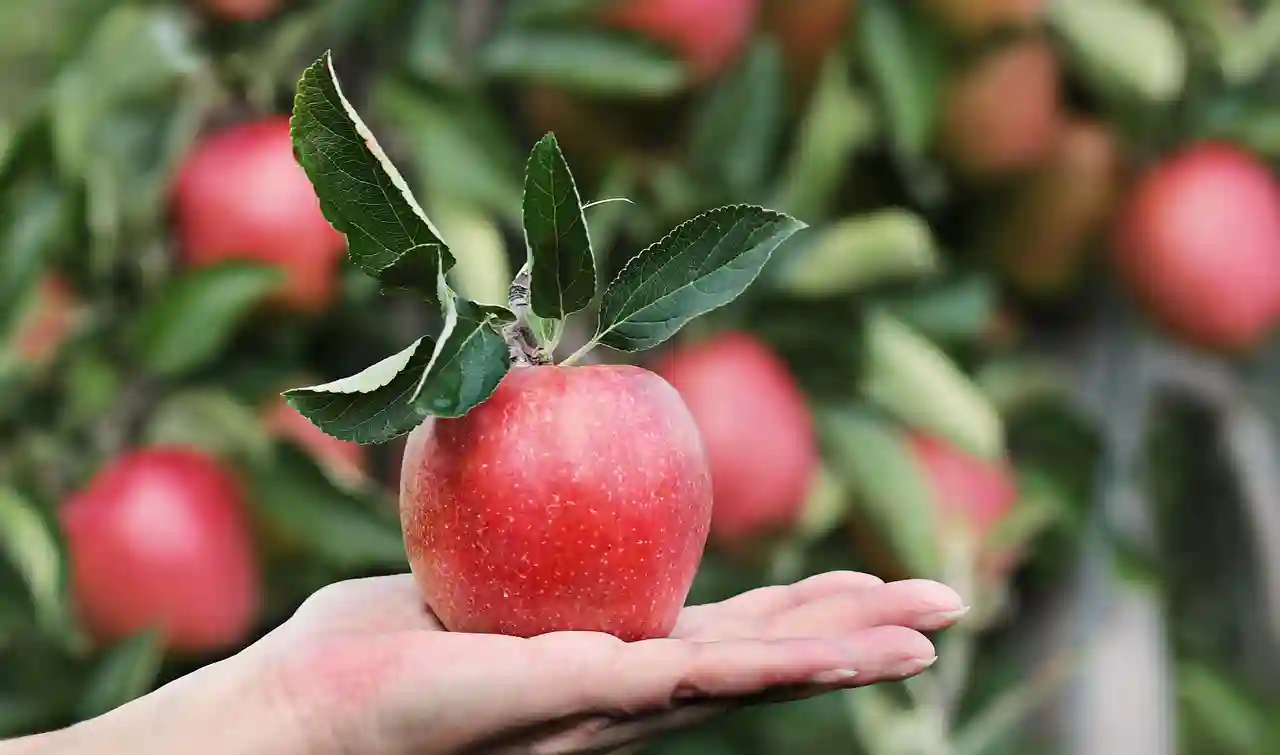
Thinking about planting some fruit trees that grow in Nebraska? Spring is a great time to get started. Nebraska’s climate can be pretty forgiving for a lot of fruit-bearing plants. Apples, tart cherries, pears, plums, apricots, mulberries, elderberries, and buffalo berries are good fruit trees that grow in Nebraska.
This guide will walk you through some of the best fruit trees to consider for your own little backyard orchard.
Thinking about planting some fruit trees in Nebraska? You’re in luck! The Cornhusker State offers a surprisingly good climate for a variety of fruit-bearing trees, making home orchards a very achievable dream. Growing your own fruit can be incredibly rewarding, offering fresh, delicious produce right from your backyard. Whether you’re aiming for a full-blown orchard or just a couple of trees to add some bounty to your yard, understanding what fruit trees grow in Nebraska is the first step. We’ll explore the best fruit trees for Nebraska, looking at everything from classic apples and pears to native berries.
Here’s a quick look at what we’ll cover:
- Apples: A favorite for a reason, with many varieties suited for Nebraska.
- Pears: Hardy options that can thrive with the right care.
- Plums: European types tend to do better in our climate.
- Cherries: Both sweet and tart varieties can be successful.
- Apricots & Peaches: These can be a bit trickier but are possible with careful planning.
- Native & Lesser-Known: Don’t forget about mulberries, elderberries, and buffaloberries!
We’ll also touch on the important stuff like choosing the right spot, making sure your trees get pollinated, and how to keep them healthy year after year. So, let’s get started on planning your very own Nebraska fruit orchard!
Choosing the right fruit trees for Nebraska means considering our specific climate, including temperature swings and growing zones. It’s not just about picking a pretty tree; it’s about selecting varieties that are known to perform well here, offering the best chance for a successful harvest.
Understanding Nebraska’s Climate and Orchard Zones
Nebraska’s climate can be a bit of a mixed bag, and knowing what you’re working with is the first step to a successful home orchard. We’re generally looking at USDA Hardiness Zones that range from 4 to 6, depending on where you are in the state. Eastern parts of Nebraska, like around Omaha, often fall into Zone 5b, with some areas even in 5a. This means we get some pretty cold winters and warm summers. This temperature swing is what many fruit trees need to thrive, but it also means we have to be smart about what we plant.
When you’re picking out trees, it’s not just about the zone number. You’ve got to think about:
- Winter Lows: How cold does it get in your specific area? This is the main factor for survival.
- Summer Highs: How hot does it get, and for how long? Some fruits need that heat to ripen properly.
- Frost Dates: When is the last frost in spring, and the first frost in fall? Early blooming trees can be tricky because a late frost can wipe out your potential harvest.
- Rainfall Patterns: While we can irrigate, understanding natural rainfall helps with planning watering schedules.
The key is to match the tree’s needs with what Nebraska offers. It’s about finding that sweet spot where the climate supports the fruit, not fights against it. Choosing varieties known to do well in Nebraska planting zones is a solid start.
Here’s a quick look at how the zones generally play out:
| Zone | Typical Nebraska Areas |
| 4 | Northwestern Nebraska |
| 5a | Parts of Eastern and Central Nebraska |
| 5b | Omaha metro area and surrounding regions |
| 6 | Far southeastern Nebraska |
So, before you buy anything, take a moment to figure out your specific zone. It makes a big difference in what will actually grow and produce fruit for you year after year.
Why Location and Soil Matter for Fruit Trees That Grow in Nebraska
Picking the right spot for your fruit trees in Nebraska is a big deal. It’s not just about where you think it looks nice; it’s about giving those trees the best shot at actually producing fruit. Sunlight is king here. Most fruit trees need at least eight hours of direct sun every single day to really get going. Think about how the sun moves across your yard throughout the day and year. You don’t want your new apple tree getting shaded out by a big oak or your house, especially in the shorter days of fall.
Beyond just the sun, you’ve got to consider drainage. Nobody likes soggy feet, and neither do fruit trees. If your yard tends to hold water after a good rain, you might want to think about planting on a slight slope or building up a raised bed. Poorly drained soil can lead to root rot, which is a fast track to a sad, unproductive tree. It’s also smart to avoid those low spots where cold air settles – we call them frost pockets. Early spring frosts can really do a number on delicate blossoms, especially on trees like apricots that tend to wake up early. Planting on a gentle slope, maybe facing east or south, can sometimes help with this, but be careful with south-facing slopes for early bloomers, as they can trick the tree into budding too soon and then get hit by frost.
Soil type is another piece of the puzzle. Nebraska soils can vary a lot, from heavy clay to sandier types. Most fruit trees prefer a loamy soil that’s well-drained but still holds some moisture. You can always amend your soil with compost and other organic matter to improve its structure and fertility. Getting a soil test done is a good idea too; it tells you about the pH and nutrient levels, so you know what you’re working with and what you might need to add. This helps you pick varieties that will actually do well in your specific dirt. Knowing your planting window is also key, so check out the Nebraska planting calendar to make sure you’re getting things in the ground at the right time.
Think of your yard as a mini-ecosystem. Where you place your trees affects not only the trees themselves but also how they interact with other plants, potential pests, and even the microclimate of your yard. A little planning up front saves a lot of headaches later on.
Here’s a quick rundown of what to look for:
- Sunlight: At least 8 hours of direct sun daily.
- Drainage: Avoid areas where water pools; consider slopes or raised beds.
- Airflow: Good circulation helps prevent diseases, but avoid overly windy spots.
- Soil Quality: Aim for loamy, well-drained soil, and consider amending or testing.
- Frost Pockets: Steer clear of low-lying areas that trap cold air.
Apples: Top Fruit Trees That Grow in Nebraska and How to Choose Varieties
Apples are probably the first fruit that comes to mind for many Nebraskans looking to start a home orchard. They’re a classic for a reason, and thankfully, quite a few varieties do really well here. Choosing the right apple cultivar is key to a successful harvest in Nebraska’s climate.
When you’re picking out apple trees, think about what you want in an apple. Are you looking for something to eat fresh off the tree, or do you want apples that bake well in pies? Also, consider when you want your apples to be ready. Some ripen early in the season, while others hang on the tree until fall.
Here are a few things to keep in mind:
- Disease Resistance: Nebraska can be tough on fruit trees. Look for varieties that are known to resist common issues like apple scab and cedar-apple rust. This will save you a lot of headaches later on.
- Pollination: Most apple trees need another apple tree nearby to produce fruit. This is called cross-pollination. It’s a good idea to plant at least two different varieties that bloom around the same time.
- Ripening Time: Spreading out your harvest is nice. Planting a mix of early, mid-season, and late-ripening apples means you’ll have fresh apples for a longer period.
Some apple varieties that tend to do well in Nebraska include:
- Enterprise: Known for good disease resistance and a long storage life.
- Liberty: Another solid choice with good scab resistance.
- Freedom: Offers resistance to scab and rust.
- Honeycrisp: A popular choice for its crisp texture and sweet-tart flavor, though it might need a bit more care.
Planting apple trees near cedar trees is a bad idea if you want to avoid cedar-apple rust. The rust spores travel from cedars to apples. It’s best to keep a good distance between them, or just stick to apple varieties that are naturally resistant to the disease.
Pear Trees in Nebraska: Hardy Options for Home Orchards
When you’re thinking about adding fruit trees to your Nebraska yard, pears are definitely worth considering. They’re pretty tough and can handle our climate pretty well, which is good news for us.
One of the main things to watch out for with pear trees is a disease called fire blight. It’s a bacterial thing that can really mess up your trees, sometimes even killing them. So, picking the right kind of pear tree is super important. Luckily, some varieties are more resistant to fire blight. Some good ones to look into are ‘Luscious’, ‘Moonglow’, ‘Magness’, and ‘Harrow Sweet’. These are known to do better here.
Here’s a quick rundown on why choosing the right pear variety matters:
- Disease Resistance: Look for cultivars specifically noted for their resistance to fire blight. This will save you a lot of headaches down the road.
- Pollination Needs: Most pear trees need another pear tree nearby to produce fruit. This is called cross-pollination. Planting at least two different varieties is usually the way to go.
- Hardiness: Make sure the variety you pick is suited for Nebraska’s USDA hardiness zones, which generally range from 4 to 6. You don’t want a tree that can’t handle a cold winter.
To get the best fruit set, it’s a good idea to plant a few different pear trees. This helps with pollination and also gives you a longer harvest period if you pick varieties that ripen at different times. Think about planting them with some space between them, maybe 15-20 feet apart, so they have room to grow and get good air circulation. This helps keep diseases at bay. You can find a good selection of fruit trees for Nebraska that are well-suited for our climate.
Planting pears in Nebraska is totally doable, but it does take a little planning. Focusing on disease-resistant varieties and making sure you have good pollination partners are the keys to success. Don’t forget to give them a sunny spot with decent soil, and they should reward you with tasty fruit for years to come.
Plum Trees: Best Plum Varieties That Grow in Nebraska
When it comes to fruit trees for a Nebraska home orchard, plums are a pretty solid choice, but you’ve got to pick the right kind. Generally, European plum varieties tend to do better in our climate than the Japanese ones. They’re a bit hardier and can handle the cold snaps we sometimes get.
Choosing the right plum variety is key for a successful harvest in Nebraska. You’ll want to look for cultivars known for their disease resistance, especially to black knot, which can be a real nuisance if it takes hold. Planting more than one variety is also a good idea because most plums need cross-pollination to produce fruit. This means picking at least two different types that bloom around the same time.
Here are a few things to consider when picking out plum trees:
- European Plums: These are generally your best bet. Varieties like ‘Stanley’ or ‘Green Gage’ are often recommended. They tend to be more cold-hardy and disease-resistant than Japanese types.
- Hardy Hybrids: Some hybrid varieties have been developed specifically for colder climates and might offer a good balance of fruit quality and resilience.
- Pollination Partners: Make sure you know which varieties pollinate each other. A quick check of the nursery’s information or a local extension office can help you pair them up correctly.
It’s also worth noting that while many plums need a partner, some newer varieties might be self-fertile, which simplifies things. Always double-check the specific needs of the cultivar you’re interested in. For fresh eating, canning, or making preserves, the Bruce Plum is a high-yield option that boasts a good shelf life, making it quite versatile for various uses.
Dealing with potential diseases like black knot is part of growing plums. Early detection and proper pruning are your best defenses. Removing infected branches promptly can prevent the disease from spreading throughout your tree and orchard.
Remember to give your plum trees enough space and ensure they get at least eight hours of sunlight daily. Proper planting and care will go a long way in ensuring you get a good yield of delicious plums year after year.
Cherry Trees: Sweet and Tart Options for Nebraska Orchards
When thinking about fruit trees for Nebraska, cherries often come to mind. You’ve got two main types to consider: sweet and tart. For Nebraska’s climate, tart cherries are generally the more reliable choice. They’re often self-fruitful, meaning you don’t necessarily need a second tree for pollination, which simplifies things a bit. Varieties like ‘North Star’, ‘Montmorency’, and ‘Balaton’ are good picks. There are also bush cherry types, such as ‘Crimson Passion’, ‘Carmine Jewel’, ‘Juliet’, and ‘Romeo’, that stay smaller and can be easier to manage.
Sweet cherries can be a bit trickier. They tend to bloom earlier, making them more vulnerable to late spring frosts that can wipe out the blossoms before they have a chance to set fruit. If you do decide to try sweet cherries, make sure to pick varieties known for their hardiness and disease resistance. Planting two different varieties is usually a good idea to ensure good pollination, as most sweet cherries need a cross-pollinator.
Here’s a quick look at some popular choices:
- Tart Cherries:
- ‘North Star’: A popular, cold-hardy option.
- ‘Montmorency’: The classic pie cherry, widely grown.
- ‘Balaton’: Known for its firm fruit and good flavor.
- Bush Cherries:
- ‘Carmine Jewel’: Produces abundant, flavorful fruit.
- ‘Juliet’: A newer variety with excellent disease resistance.
- Sweet Cherries (use caution):
- ‘Bing’: A common sweet cherry, but may struggle with cold.
- ‘Rainier’: A popular yellow sweet cherry, also needs protection.
Planting cherries requires attention to site selection. Avoid low spots where cold air settles, as this increases the risk of frost damage to early blooms. A location with good air circulation and at least eight hours of direct sun daily is best. Consider the mature size of the tree when spacing them out to prevent overcrowding and allow for good airflow, which helps reduce disease issues.
Remember that even hardy varieties can benefit from good care. Proper watering, especially when trees are young, and occasional pruning will help keep your cherry trees healthy and productive. While tart cherries are generally more disease-resistant than sweet cherries, keeping an eye out for common issues like fungal diseases is always a good idea. For a native option, you might look into the wild black cherry, Prunus serotina, though its fruit is typically used for jams and jellies rather than fresh eating. You can find more information on native Nebraska trees if you’re interested in exploring those options further.
Apricot and Peach Trees: Challenges and Best Practices in Nebraska
Alright, let’s talk about apricots and peaches in Nebraska. These two can be a bit tricky, mostly because they like to bloom super early in the spring. That means a late frost can really mess with your harvest before it even gets started. It’s a gamble, but a gamble some folks are willing to take for that sweet, juicy reward.
Peaches and apricots are generally self-pollinating, which is a plus. You don’t need to worry about planting multiple trees just for them to make fruit. However, they can still run into some issues. Brown rot is a common fungal disease that can affect the fruit, and sometimes you’ll see issues with pests. The biggest hurdle, though, is definitely that early blooming habit.
Here are a few things to keep in mind if you’re set on growing these stone fruits:
- Site Selection is Key: Try to avoid planting them in low spots where cold air settles. A slightly elevated spot or a location with good air circulation can help. Also, think about slopes. Planting on a north-facing slope might delay blooming just enough to dodge those late frosts, while a south-facing slope can encourage early blooming, which is riskier.
- Variety Choice Matters: Look for varieties that are known to be a bit hardier or have a slightly later bloom time, if possible. While specific recommendations can change, doing a little research on what’s performed best in your specific part of Nebraska is a good idea.
- Protection Might Be Needed: In years with a lot of frost warnings, you might consider covering young trees or the blossoms themselves to offer some protection. This is more work, but it can save your crop.
Growing apricots and peaches in Nebraska means you’re playing a bit of a game with Mother Nature. You’ve got to be prepared for the possibility of losing a crop to frost, but when they do produce, the taste of homegrown fruit is hard to beat. It’s about managing expectations and choosing the right approach for your backyard.
Native and Lesser-Known Trees That Grow in Nebraska
Beyond the usual apples and pears, Nebraska’s landscape can support some really interesting, less common fruit-bearing trees that are often native or just plain tough. These can add a unique twist to your home orchard and are often quite forgiving.
Mulberry trees are a fantastic option. They’re known for being super hardy and can tolerate a range of conditions, including Nebraska’s sometimes harsh winters. The fruit is sweet, a bit like a blackberry, and birds absolutely love them, so be prepared to share! They don’t usually need a pollinator, which is a plus, and they can grow quite large, offering nice shade.
Then there are the native buffalo berries. These are actually shrubs or small trees that are native to the Great Plains. They produce small, tart red berries that are packed with vitamins. While they might not be your go-to for fresh eating right off the bush, they’re great for making jellies, jams, or sauces. Buffaloberries are dioecious, meaning you’ll need both a male and a female plant for fruit production. They’re also incredibly drought-tolerant once established.
Elderberries are another native gem. These grow into large shrubs and produce clusters of dark purple berries. Like mulberries, they’re pretty adaptable and can handle different soil types. The berries are often used for making jams, syrups, and wines, and they’re known for their health benefits. It’s important to note that elderberries should be cooked before eating, as raw berries can be mildly toxic. You’ll typically want to plant at least two different varieties to ensure good fruit set.
Here’s a quick look at what makes these trees stand out:
- Mulberry: Very hardy, adaptable, produces sweet fruit, generally self-pollinating.
- Buffaloberry: Native, drought-tolerant, tart berries for processing, requires male and female plants for fruit.
- Elderberry: Native, adaptable, dark berries for cooking/processing, benefits from cross-pollination.
When considering these less common trees, remember that while they are hardy, they still need good soil drainage and adequate sunlight to produce the best fruit. Don’t be afraid to experiment with these resilient options; they often reward growers with unique flavors and minimal fuss.
Planting these can be a bit different from standard fruit trees. For instance, buffaloberries need that male-female pairing, and elderberries do better with a buddy, too. Mulberries are usually pretty straightforward. Just make sure you’ve got enough space, as some of these can get quite big, and think about where you want them to go. They might not produce as much fruit as a commercial apple tree, but the unique flavors and the satisfaction of growing something a little different are totally worth it.
Pollination, Spacing, and Planting Tips for Nebraska Fruit Trees
Alright, so you’ve picked out some fantastic fruit trees that can handle Nebraska’s weather. Now comes the part where we get them in the ground and set them up for success. It’s not super complicated, but paying attention to a few details can make a big difference in how much fruit you get later on.
First off, let’s talk pollination. Many of our favorite fruit trees, like apples and pears, need a buddy. They can’t pollinate themselves, so you’ll need to plant at least two different varieties that bloom around the same time. This cross-pollination is what leads to those delicious fruits. Some trees, like tart cherries and apricots, are self-pollinating, which makes things a bit simpler. Just double-check what your specific tree needs.
When it comes to planting, spacing is key. You don’t want your trees to be too crowded. Overcrowding can lead to poor air circulation, which invites diseases, and it also means your trees will be competing for sunlight and nutrients. For most apple and pear trees, aim for about 9 meters (or 30 feet) between them. This gives them plenty of room to grow and spread out. Always check the recommendations for the specific varieties you’re planting, as some might need a bit more or less space. You can find good advice on tree spacing for hardy varieties.
Here’s a quick rundown on planting:
- Dig the Hole: Make sure the hole is at least twice as wide as the root ball and just as deep. You want those roots to spread out easily.
- Position the Tree: Place the tree in the center of the hole. The top of the root ball should be level with or slightly above the surrounding soil. You don’t want to plant it too deep.
- Backfill and Water: Gently fill the hole with the soil you removed, tamping it down lightly to remove air pockets. Water thoroughly right after planting to help settle the soil.
Don’t forget about mulch! A good layer of mulch around the base of your tree (but not touching the trunk) helps keep the soil moist, suppresses weeds, and regulates soil temperature. It’s like a cozy blanket for your young tree.
Finally, think about where you’re planting. Fruit trees generally need at least eight hours of direct sunlight each day. Avoid low-lying areas where frost can settle, and if you’re planting early bloomers like apricots, be mindful of south-facing slopes that might warm up too quickly and trick the buds into opening before the last frost.
Getting these basics right from the start sets your Nebraska orchard up for years of healthy growth and tasty harvests.
Care and Maintenance: Watering, Pruning, and Pest Management for Nebraska Fruit Trees
Alright, so you’ve got your fruit trees planted in Nebraska, which is awesome! But now comes the part where you actually have to, you know, take care of them. It’s not like planting them and forgetting about them, though I wish it were that easy sometimes.
First off, watering. Especially when they’re young, these trees need consistent moisture. Think about giving them a good soak, not just a little sprinkle, maybe once a week if it’s dry. You can tell if they need water if the soil feels dry a few inches down. As they get bigger, they’re a bit more on their own, but during really hot, dry spells, a drink is still a good idea.
Then there’s pruning. This is where things can get a little tricky, but it’s super important for healthy trees and good fruit. You’ll want to do most of your pruning in late winter or early spring, before the new growth really kicks off. The main idea is to open up the tree so sunlight and air can get into the middle. This helps prevent diseases and makes sure the fruit gets good sun. You’re basically cutting out dead branches, any that are crossing over each other, and maybe some that are growing straight down.
Here’s a quick rundown on what to look for when pruning:
- Dead, Damaged, or Diseased Branches: Get these out of there right away. They’re no good for the tree and can spread problems.
- Crossing Branches: If two branches are rubbing against each other, pick the stronger-looking one and remove the other. This stops wounds from forming.
- Water Sprouts and Suckers: These are fast-growing shoots that often pop up from the trunk or main branches. They usually don’t produce good fruit and just take energy from the tree.
- Thinning Out: Remove some smaller branches to let light and air into the center of the tree. Don’t go crazy, though; you don’t want to remove too much at once.
Now, pests and diseases. This is probably the biggest headache for most home orchardists. Nebraska can have its share of issues, like apple scab, fire blight on pears, and various rots.
The best defense is often a good offense. Planting varieties that are known to be resistant to common diseases in our area is a smart move from the start. If you’ve picked less resistant types, you might need to get into a spray schedule. This usually involves specific sprays at certain times of the year, especially when the tree is flowering or developing fruit. It’s worth looking up a spray calendar for Nebraska fruit trees to know exactly when to apply what.
For common problems:
- Cedar-Apple Rust: If you have apple trees, try not to plant them too close to cedar or juniper trees, as they’re part of the rust’s life cycle. Or, just pick apple varieties that resist it.
- Fire Blight: This one can hit pears and apples hard. It makes branches look scorched. Pruning out infected parts and using resistant varieties helps.
- Brown Rot: Often affects stone fruits like peaches and apricots. Good air circulation from pruning and keeping fallen fruit cleaned up can make a difference.
Keeping an eye on your trees regularly is key. Catching a problem early makes it a lot easier to deal with than waiting until it’s a full-blown infestation or disease outbreak. It’s a bit of work, for sure, but seeing those trees thrive and eventually produce fruit makes it all worthwhile.
Harvesting and Enjoying Your Orchard: Timeline and Tips for Fruit Trees That Grow in Nebraska
So, you’ve put in the work, nurtured your trees, and now it’s time for the best part: the harvest! It’s a pretty rewarding feeling, seeing all those fruits ripen after a season of care. The timing for picking your fruit really depends on the type of tree you planted and the specific variety. Apples, for instance, can start coming in from late summer through fall, with different kinds ripening at different times. Pears usually follow a similar schedule. Plums and tart cherries tend to ripen earlier, often in mid-to-late summer. Native berries like elderberries and buffaloberries might be ready a bit later in the season.
Knowing when to pick is key to getting the best flavor and texture. For apples, look for fruit that pulls away easily from the branch with a gentle twist. Pears are often best picked a little before they’re fully ripe on the tree and then allowed to finish ripening indoors. Plums should feel slightly soft to the touch and have good color. Cherries are usually ready when they’re deep red and sweet.
Here’s a general idea of harvest times for common Nebraska fruit trees:
- Apples: Late August – October
- Pears: September – October
- Plums: July – September
- Tart Cherries: July
- Apricots: July
- Mulberries: June – July
- Elderberries: August – September
- Buffaloberries: August – September
When you’re ready to pick, try to do it on a dry day. This helps the fruit store better. For apples and pears, you might get anywhere from 150 to 200 pounds from a single mature tree, so be ready for a good haul! It’s a good idea to have some containers ready, maybe even some equipment for preserving your harvest. Don’t let fallen fruit sit around too long; it can attract pests and spread diseases.
Harvesting your own fruit is a fantastic way to connect with nature and enjoy the literal fruits of your labor. It’s a process that brings a unique satisfaction, turning sunshine and care into delicious treats. Whether you’re eating them fresh, baking pies, or canning for later, homegrown fruit just tastes better.
Remember, a healthy orchard means more than just fruit. It’s a habitat for birds and beneficial insects. Enjoying the bounty is the culmination of your efforts, and it’s a great reason to celebrate the growing season in Nebraska.
Ready to enjoy the fruits of your labor? Knowing when to pick your harvest is key to the best flavor. For more helpful tips on growing and enjoying your fruit trees in Nebraska, visit our website today!
Frequently Asked Questions
What kinds of fruit trees grow well in Nebraska?
Nebraska’s climate is great for many fruit trees! Apples, tart cherries, pears, plums, apricots, mulberries, elderberries, and buffalo berries are known to do especially well here. Choosing varieties that are tough and can handle Nebraska’s weather is key.
What is the growing zone for Omaha, Nebraska?
Omaha is mostly in USDA Growing Zone 5b. Some parts of eastern Nebraska are in Zone 5a. Knowing your zone helps you pick plants that can survive the winter and thrive in the summer.
Do fruit trees need a buddy to make fruit?
Many fruit trees, like pears, plums, and some apples, need another type of fruit tree nearby to help them make fruit. This is called cross-pollination. However, tart cherries and apricots can make fruit all by themselves.
What common problems might my Nebraska fruit trees face?
Keep an eye out for issues like fire blight (a disease that can harm pears), brown rot (which affects stone fruits like peaches and plums), black knot (a problem for plums), and rust diseases (especially on apples). Planting trees that are naturally resistant to these problems is a smart move.
How much sun do fruit trees need in Nebraska?
Fruit trees really love sunshine! Aim for a spot where your trees can get at least eight hours of direct sunlight every day. This helps them grow strong and produce lots of yummy fruit.
Should I plant fruit trees on a slope?
It’s often best to avoid planting fruit trees that bloom early, like apricots, on slopes that face south. This is because the warmer sun can make them bloom too soon, and a late frost could then damage the delicate blossoms.
How can I get more fruit from my trees?
Sometimes, trees produce too much fruit, which can lead to small fruits and even broken branches. Thinning out some of the extra fruit when they are young helps the remaining fruit grow bigger and better. Tart cherries usually don’t need thinning.
Are there any native fruit-bearing plants good for Nebraska?
Yes! Elderberries and buffalo berries are native to Nebraska and can be great additions to your yard. Mulberry trees also grow well and provide tasty fruit.
Request a Quote
Our Services