
Silver Linden Tree Pros and Cons for Shade and Aesthetics
So, you’re thinking about planting a silver linden tree? They’re pretty popular, and for good reason. These trees can really make a yard look nice, and they offer some great shade. But, like anything, they’re not perfect. There are definitely some things you need to think about before you dig that hole. We’re going to break down the silver linden tree pros and cons so you can figure out if it’s the right fit for your space.
Thinking about planting a silver linden tree? They’re pretty popular, and for good reason. These trees can really make a yard look nice and offer some great shade. But, like anything, they aren’t perfect. There are definitely some things to consider before you decide if a silver linden is the right fit for your space. We’re going to break down the good and the not-so-good aspects of the silver linden tree pros and cons.
Here’s a quick look at what you can expect:
- Shade Provider: They grow into big, beautiful trees that offer excellent shade.
- Aesthetic Appeal: Their look is generally pleasing, adding charm to landscapes.
- Wildlife Friendly: They attract pollinators like bees and provide habitat.
- Toughness: They can handle heat, dry spells, and tough city conditions.
- Space Needs: They get quite large, so you need plenty of room.
- Mess Factor: They can drop buds, produce sticky stuff, and create general debris.
- Root Issues: Their roots can sometimes cause problems with sidewalks or underground pipes.
When you’re looking at the silver linden tree pros and cons, it’s really about weighing the benefits against the potential work or issues. It’s not a tree that you can just plant and forget about, but the rewards can be pretty significant if you’re prepared.
Understanding the silver linden tree pros and cons helps you make a smart choice for your yard or community project. We’ll go into more detail on each of these points in the following sections.
What Is a Silver Linden Tree? Key Features and Description
Alright, let’s talk about the Silver Linden tree, or Tilia tomentosa if you’re feeling fancy. This tree is a real beauty, native to parts of Europe and Asia. It’s a deciduous tree, meaning it sheds its leaves, and it can get pretty big, usually reaching heights between 50 to 70 feet, with a spread of about 40 feet. So, it’s not exactly a shrub, you know?
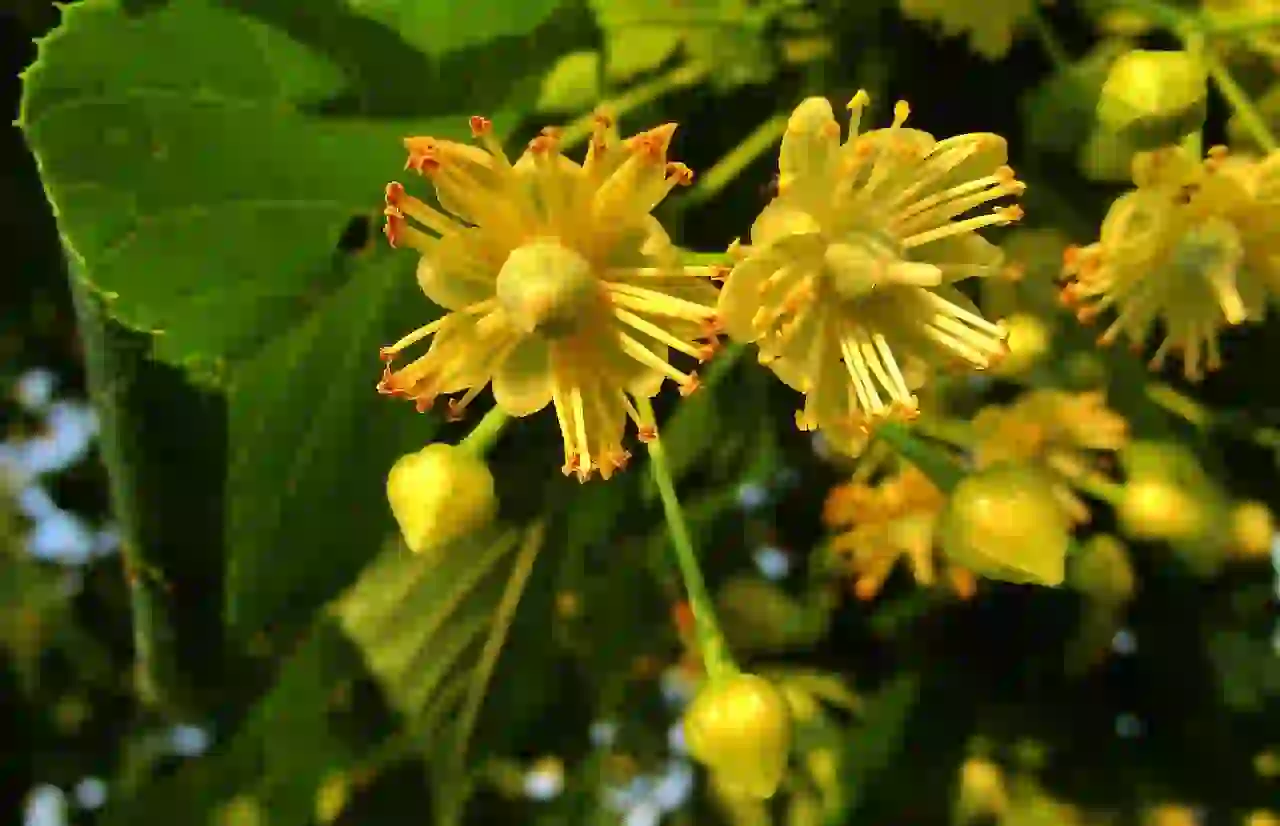
What really makes it stand out are its leaves. They’re heart-shaped, which is pretty classic for linden trees, but the underside has this cool, velvety, silvery fuzz. When the wind blows, it gives the whole tree this shimmering effect. It’s quite something to see, especially on a sunny day. The flowers are another big deal. They’re small, yellowish-white, and smell amazing, usually showing up in late spring or early summer. Bees and other pollinators absolutely love them.
The Silver Linden is a sturdy tree, known for its resilience. It can handle a variety of conditions, which is a big plus for many landscapes.
Here are some of the key things to look for:
- Leaves: Heart-shaped, dark green on top, with a distinct silvery, fuzzy underside. They often turn a nice yellow in the fall.
- Flowers: Small, fragrant, pale yellow, appearing in clusters and attracting lots of pollinators.
- Bark: Smooth and brown on younger trees, becoming more furrowed and rough as it ages.
- Overall Shape: Typically develops a dense, pyramidal to rounded crown, offering good shade.
It’s a tree that’s been appreciated for ages, not just for how it looks but also for its wood, which has been used for things like musical instruments. Plus, in some cultures, it’s even been seen as a symbol of good luck. It’s a pretty versatile tree that can fit into many different settings, from city parks to your own backyard. If you’re looking for a tree that offers both visual appeal and ecological benefits, the Silver Linden is definitely worth considering for your landscape design.

Silver Linden Tree Pros: Exceptional Shade Provider
When you think about adding a tree to your yard, especially for shade, the Silver Linden (Tilia tomentosa) really stands out. It’s not just about blocking the sun; it’s about creating a genuinely cool and comfortable space underneath.
The Silver Linden is a champion at casting a wide, dense shadow, making it ideal for hot summer days. Its broad, rounded crown grows to be quite substantial, offering a generous area of relief from the sun’s rays. Imagine placing a picnic table or a couple of chairs directly under its canopy – you’re practically guaranteed a shady retreat.
Here’s a bit more on why its shade is so good:
- Dense Foliage: The leaves are a good size and packed closely together, which means very little sunlight gets through. This creates a deep, cool shade, unlike some trees that have a more open canopy.
- Mature Size: As these trees grow, their shade coverage expands significantly. A mature Silver Linden can easily cover a large portion of a backyard, providing shade where you need it most.
- Summer Relief: The shade is most pronounced during the summer months when the tree is in full leaf, offering a welcome respite during the hottest parts of the year.
This tree’s ability to provide such effective shade is one of its most appreciated qualities, turning a sunny, hot spot into a pleasant, shaded oasis. It’s a natural air conditioner for your property.
It’s this reliable and extensive shade that makes the Silver Linden a top choice for homeowners and public spaces alike. It transforms outdoor areas into usable, comfortable zones, even when the sun is beating down.
Aesthetic Appeal: How Silver Linden Enhances Landscape Beauty
When you’re thinking about how a tree looks in your yard, the Silver Linden really stands out. It’s got this graceful, often upright shape that can add a nice structure to your garden. The leaves are a big part of its charm, too. They’re typically heart-shaped and have this lovely silvery underside that shimmers when the wind blows. It’s a subtle effect, but it really catches the light and adds a bit of dynamic beauty.
Beyond the leaves, the tree’s overall form is quite pleasing. It can grow into a fairly large specimen, creating a beautiful focal point. Imagine it standing tall, its branches reaching out – it just has a presence that can make a landscape feel more complete and polished. It’s not just about green leaves; it’s about the shape, the texture, and that gentle flash of silver.
- Heart-shaped leaves with a silvery underside
- Graceful, upright growth habit
- Creates a strong visual anchor in the landscape
- Adds movement and light play with its foliage
The Silver Linden’s visual appeal isn’t just about its leaves or shape; it’s about how it interacts with its surroundings. The way light filters through its canopy, the gentle rustling sound its leaves make, and its overall stately presence contribute to a serene and attractive outdoor space. It’s a tree that offers quiet beauty, day after day.
If you’re looking to add a touch of elegance and natural artistry to your property, the Silver Linden is definitely worth considering. It’s a tree that offers more than just shade; it provides a living sculpture that can transform your outdoor space.
Fragrant Flowers and Wildlife Benefits
One of the most delightful aspects of the Silver Linden tree, and a big plus for many gardeners, is its flowers. Come early summer, these trees put on a show with clusters of small, creamy-yellow blossoms that are incredibly fragrant. This sweet scent isn’t just for our enjoyment; it’s a powerful attractant for a whole host of beneficial insects.
Bees, in particular, go absolutely wild for linden flowers. They’re a prime source of nectar and pollen, making the Silver Linden a fantastic tree if you’re looking to support local pollinator populations. Butterflies and other beneficial insects also frequent the blooms. By planting a Silver Linden, you’re essentially creating a buzzing, vibrant hub in your garden, which is great for the local ecosystem and helps with the pollination of your other plants too.
Here’s a quick look at who benefits:
- Bees: Honeybees and native bees love the nectar and pollen.
- Butterflies: They’re drawn to the flowers for nectar.
- Other Beneficial Insects: Ladybugs and lacewings might also visit.
Beyond the pollinators, the tree itself can offer shelter and habitat for birds. It’s a win-win: you get a beautiful, fragrant tree, and the local wildlife gets a much-needed food source and a place to hang out.
While the fragrance is lovely, it’s worth noting that in very close quarters, like right next to a patio, the intense sweetness might be a bit much for some people. It’s something to consider when deciding on the exact placement.
So, if you’re aiming to boost biodiversity in your yard and enjoy the gentle hum of happy pollinators, the Silver Linden’s fragrant flowers are a major selling point.
Environmental Advantages: Heat, Drought, and Urban Stress Tolerance
Silver Linden trees are surprisingly tough cookies when it comes to dealing with tough environments. They’re known for their ability to handle heat and dry spells pretty well, which is a huge plus for many landscapes, especially as weather patterns get a bit more unpredictable.
Think about it – you plant a tree hoping it’ll just do its thing, right? Well, Lindens often do just that. They don’t typically throw a fit if you forget to water them for a bit, and they can stand up to those scorching summer days without wilting dramatically. This makes them a solid choice for areas that might not get a lot of attention or for folks who aren’t exactly ‘green thumbs’.
Beyond just heat and dry weather, these trees are also quite good at putting up with the general grubbiness of city life. They can filter out some of the air pollution you find in urban areas and generally seem to shrug off the stress of being planted near busy roads or concrete.
Here’s a quick rundown of what makes them so resilient:
- Heat Tolerance: They can endure high temperatures without significant damage.
- Drought Resistance: Once established, they require less water than many other shade trees.
- Urban Stress: They cope well with pollution, compacted soil, and limited space, often found in cities.
These trees are like the reliable friend of the plant world – they show up, do their job, and don’t complain too much about the conditions. This resilience means less worry for you and a healthier tree for the environment.
Their strong root systems also help stabilize soil, which is another environmental win, preventing erosion. So, while they might have their quirks (we’ll get to those!), their ability to thrive in less-than-ideal conditions is a major environmental advantage.
Soil and Light Preferences: What Makes Silver Linden Thrive
So, you’re thinking about planting a Silver Linden? Great choice! These trees are pretty adaptable, but they do have a few preferences that really help them put on a good show.
They really like soil that drains well. Nobody likes soggy feet, and trees are no different. If your soil holds too much water, the roots can get into trouble. They’re not super picky about the exact type of soil, though. Loamy or sandy soils work great, and they’re happy with a pH level that’s pretty neutral, somewhere between 6.0 and 7.5.
When it comes to sunshine, Silver Lindens are sun-worshippers. They do best with full sun, meaning at least six hours of direct sunlight a day. They can handle a bit of shade, like partial shade, but you’ll get the most vigorous growth and the best flowering if they get plenty of sun.
Here’s a quick rundown:
- Soil: Well-drained is key. Avoid heavy clay that stays waterlogged.
- Sunlight: Full sun is ideal, but they tolerate partial shade.
- pH: A neutral range (6.0-7.5) is preferred.
Planting a Silver Linden means giving it a good start. Make sure the spot you pick has enough room not just for the tree itself, but also for its roots to spread out without bumping into too many other plants or structures. It’s a bit like setting up a new pet – you want to make sure their environment is just right from the beginning.
Once they’re established, these trees are surprisingly tough and can handle dry spells pretty well. Still, giving them a good soak now and then, especially when it’s really hot and dry, will keep them looking their best. It’s all about finding that balance – giving them what they need without overdoing it.

Silver Linden Tree Cons: Size and Space Requirements
Alright, let’s talk about the not-so-great stuff when it comes to Silver Linden trees, specifically how big they get and how much room they need. These trees are definitely not for tiny yards or tight spots. They grow into some seriously large specimens, and if you don’t have the space, you’re going to run into problems down the road.
Think about it: a mature Silver Linden can easily spread its branches out 40 to 60 feet wide, and they can reach heights of 60 to 80 feet. That’s a lot of tree! So, if you’re picturing one right next to your house or under power lines, you might want to reconsider.
Here’s a quick rundown of what you’re dealing with:
- Mature Spread: Expect a canopy that can be anywhere from 40 to 60 feet across.
- Mature Height: These trees can easily grow to be 60 to 80 feet tall.
- Root System: While not always visible, their roots spread out quite a bit, which can affect nearby structures or pavement over time.
Planting a Silver Linden requires a long-term vision. You need to think about how big it will be in 20, 30, or even 50 years. It’s not just about how it looks now, but how it will fit into your landscape for decades to come. Underestimating their size is a common mistake that leads to issues later on.
Basically, if you’ve got a postage-stamp-sized backyard, a Silver Linden is probably not your best bet. You need a good amount of open space for it to grow without causing headaches for you or your neighbors. It’s all about planning to avoid future conflicts with buildings, fences, or other trees.
Potential Maintenance Issues: Pests and Diseases
While silver lindens are generally tough trees, they aren’t completely immune to problems. You might run into a few common pests and diseases that can cause headaches if you’re not prepared. Keeping an eye out for these issues is key to keeping your tree healthy and looking good.
One of the more frequent visitors to linden trees is aphids. These tiny bugs can show up in large numbers, especially on new growth. They suck the sap out of the leaves and can leave behind a sticky residue called honeydew. This honeydew can then attract other things, like sooty mold, which isn’t great for the tree’s appearance or its ability to photosynthesize properly. You might also see Japanese beetles, which can munch on the leaves, leaving them looking like lace.
Beyond insects, lindens can sometimes get fungal diseases. Powdery mildew is one that pops up, looking like a white, dusty coating on the leaves. It’s usually more of a cosmetic issue, but in severe cases, it can weaken the tree. Another concern, though less common, is the linden borer, which can tunnel into the wood. This is more serious and can really damage the tree if not caught early.
Here’s a quick rundown of what to watch for:
- Aphids: Look for small green or black insects, often clustered on new shoots and leaves. Sticky honeydew is a big clue.
- Japanese Beetles: These shiny, coppery-green beetles can defoliate a tree quickly.
- Powdery Mildew: A white, powdery substance on leaves and stems.
- Linden Borer: Less visible, but look for small holes in the bark and signs of wilting or dieback on branches.
Dealing with these issues often involves a few different approaches. For aphids, sometimes a strong spray of water can knock them off, or you can use insecticidal soap. For more serious infestations or other pests and diseases, you might need to consider specific treatments. It’s always a good idea to consult with a local arborist if you’re unsure about what you’re dealing with or how to treat it.
While it’s easy to get worried about every little spot or bug, remember that a healthy, well-established tree is much better at fending off problems on its own. Good watering, proper soil, and avoiding stress from things like drought or overcrowding can make a big difference in your tree’s natural defenses.
Mess and Cleanup: Sticky Honeydew, Buds, and Fallen Debris
While the Silver Linden tree offers a lot of good things, it can also be a bit of a messy tree. You know, like that friend who always brings a great attitude but leaves a trail of crumbs? That’s kind of the linden. For starters, these trees can attract aphids. When aphids hang out, they leave behind this sticky stuff called honeydew. It can drip down onto cars, sidewalks, and anything else parked or placed underneath. It’s not exactly pleasant to touch, and it can make surfaces look grimy pretty fast. Plus, aphids can sometimes lead to sooty mold, which is another layer of mess.
Then there’s the natural shedding. Lindens drop their leaves in the fall, and it’s not just a few. You’ll likely be raking quite a bit. It’s a pretty standard part of having deciduous trees, but with a linden, it can feel like a lot. Don’t forget the buds and spent flowers, too. They add to the general debris that accumulates on the ground.
Here’s a quick rundown of what you might find:
- Sticky Honeydew: A sugary secretion from aphids that can coat surfaces.
- Leaf Litter: A significant amount of fallen leaves, especially in autumn.
- Buds and Flowers: Small bits that contribute to ground cover.
Dealing with this kind of mess means you’ll probably spend more time on yard work. It’s not a deal-breaker for everyone, but it’s something to think about if you’re looking for a low-maintenance yard. You might need to sweep or hose down patios and driveways more often, and definitely keep up with the leaf raking.
It’s not all bad, of course. The shade is great, and the flowers are lovely. But if you’re someone who likes a perfectly tidy yard with minimal effort, the Silver Linden might test your patience a bit.
Root and Infrastructure Concerns: Placement Challenges
When you’re thinking about planting a Silver Linden, one of the biggest things to consider is where it’s going to go. These trees grow into something quite substantial, and their roots are no joke. They spread out quite a bit, and if you’re not careful, they can cause some real headaches down the line.
You really need to give these roots plenty of room to grow without bumping into things.
Think about what’s underground before you dig that hole. We’re talking about:
- Utilities: Water lines, gas pipes, electrical conduits – all those things buried beneath the surface can be a problem if the roots decide to explore.
- Foundations: If you’re planting too close to your house or any other building, those roots can eventually put pressure on the foundation, leading to cracks or other damage.
- Paved Surfaces: Sidewalks, driveways, and patios are prime targets for linden roots. They can lift and crack pavement, making for uneven surfaces and costly repairs.
It’s not just about avoiding damage, though. The roots are what keep the tree stable, especially in windy conditions. So, while they can be a bit of a challenge, they’re also a sign of a strong, healthy tree.
The key here is foresight. It’s much easier to plan for the tree’s mature size and its root system from the start than it is to deal with the consequences later. Choosing the right spot from the get-go saves a lot of trouble.
So, before you plant, take a good look at your yard. Are there any underground pipes? How close is it to the house? Is there enough open space for the roots to spread out naturally? Getting this right means you can enjoy your Silver Linden for years to come without worrying about it messing with your property.

Balancing Silver Linden Tree Pros and Cons for Your Landscape
So, you’ve been thinking about getting a Silver Linden tree, huh? They’re pretty impressive, no doubt about it. But like anything in life, they come with their own set of quirks. It’s not just about planting a tree and forgetting about it; you’ve got to consider what you’re getting into.
The biggest thing to remember is that a Silver Linden is a commitment. It’s not a shrub you can just trim back easily if it gets too big. These trees grow into giants, and that means you need to plan. Think about where you’re putting it – is there enough room for it to spread its branches and roots without causing trouble down the line? We’re talking about potential issues with sidewalks, driveways, or even underground pipes if you’re not careful.
Here’s a quick rundown of what to keep in mind:
- Space: Seriously, give it room. A mature Silver Linden can get quite wide. Make sure it won’t crowd out other plants or structures.
- Cleanup: Those lovely leaves and flowers do fall. While it’s natural, be prepared for some raking, especially in the autumn. And don’t forget about the sticky honeydew some pests leave behind – it can make a mess on cars or patios.
- Pests & Diseases: While generally tough, they can sometimes attract certain bugs or get fungal issues. Keeping an eye on your tree and dealing with problems early is key.
It really comes down to matching the tree to your specific situation. If you have a large yard and don’t mind a bit of seasonal cleanup, a Silver Linden can be an absolutely stunning addition. But if you’re working with a tight space or prefer low-maintenance landscaping, you might want to look at other options.
Ultimately, the goal is to enjoy the beauty and shade of the Silver Linden without getting bogged down by its downsides. A little bit of planning goes a long way in making sure this tree is a welcome guest in your landscape for years to come.
Thinking about planting a Silver Linden tree? These trees can be beautiful additions to your yard, but it’s smart to know both the good and the not-so-good points before you decide. We’ve broken down the pros and cons to help you make the best choice for your space. Want to learn more about tree care or need help with your current trees? Visit our website today for expert advice and services!
Frequently Asked Questions
Are Silver Linden Trees good for yards?
Yes, Silver Linden trees are fantastic for yards! They grow well in different places, have pretty flowers that bees love, give great shade, and look nice with their colorful leaves in the fall. They make your yard look good and help nature, too.
Do Silver Linden Trees make a mess?
They can be a bit messy. Silver Lindens drop flowers and leaves, especially in the late summer and fall. This means you might have to clean up fallen bits more often to keep your yard tidy.
Are Silver Linden Trees invasive?
No, Silver Linden trees are not considered invasive. They come from Europe but have adjusted well to many places, including cities. They usually don’t cause problems for local plant life, though their roots can spread out.
Do Silver Linden Trees attract bugs?
They sure do! Their sweet-smelling flowers attract helpful insects like bees. However, they can also attract pests like aphids and Japanese beetles. It’s a good idea to keep an eye on them to make sure pests don’t cause too much trouble.
How big do Silver Linden Trees get?
Silver Lindens can grow quite large, often reaching heights of 30 to 40 feet. They also spread out wide, so they need plenty of space to grow without bumping into buildings or other plants. This makes them great for providing lots of shade.
What kind of problems can Silver Linden Trees have?
Sometimes, branches on Silver Lindens can break, especially where they split into a V shape. They can also get pests like aphids, which can make the leaves sticky and attract other bugs. Their roots can also grow under sidewalks and driveways, which can cause damage if not planned for.
Are Silver Linden Tree flowers smelly?
The flowers of the Silver Linden tree have a lovely, sweet smell, especially in early summer. While many people find the fragrance pleasant and enjoy how it attracts bees, some might find it a bit strong, particularly in very quiet or small areas.
What’s the best place to plant a Silver Linden Tree?
Silver Lindens like a good amount of sunlight and can grow in many different types of soil. They do best when they have enough room to spread their branches and roots. Avoid planting them too close to buildings, sidewalks, or underground pipes because of their size and root system.
Request a Quote
Our Services